
A bifana is one of Portugal’s most popular sandwiches: uncomplicated bread, a thin piece of pork and a savoury cooking juice that changes from one establishment to another. You can also find bifanas in the Azores, particularly in cafés, tascas, bars and Portuguese snack bars. It did not originate in the archipelago, but it belongs to the everyday food culture the islands share with mainland Portugal.
Quick answer: a bifana is a hot Portuguese pork sandwich. The meat is usually cooked or finished in a seasoned mixture that may contain garlic, wine, fat and spices, although there is no single national recipe. In the Azores, ask for a bifana no pão and check whether the house adds mustard, chilli or its own special ingredient.
It is a practical choice for an informal lunch, a stop between viewpoints or an inexpensive meal, but it should not be described as a dish unique to the Azores.

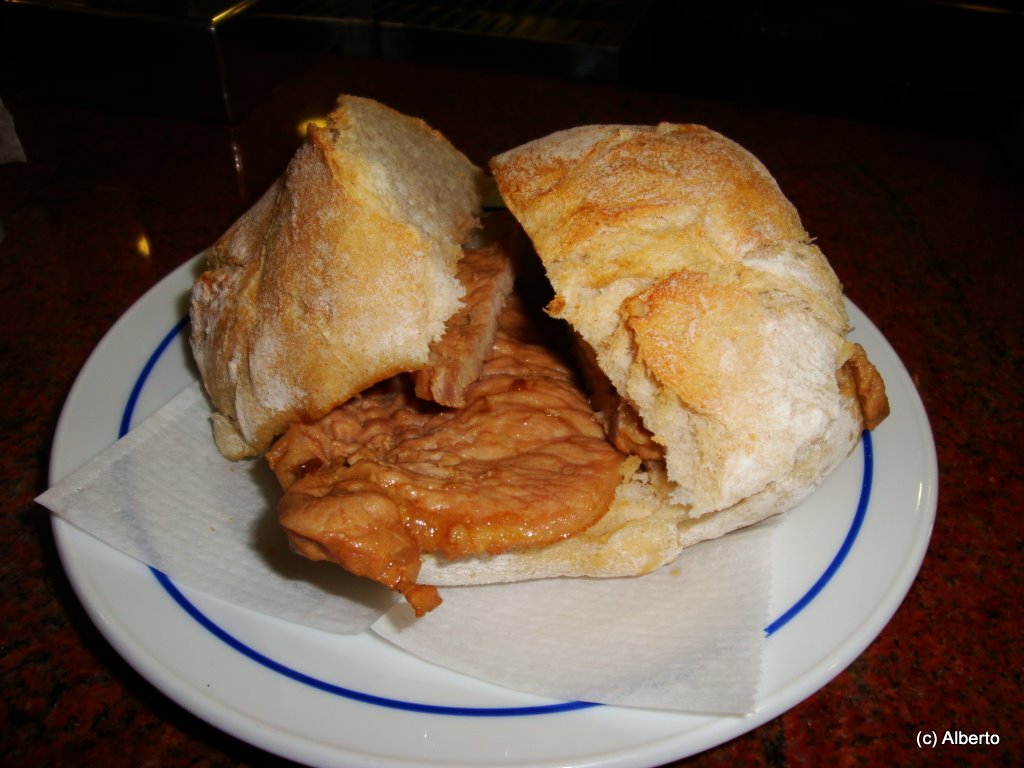
What exactly is a bifana?
The most useful definition is also the simplest: a bifana is a Portuguese pork sandwich. The meat is sliced thinly so that it stays tender and cooks quickly. It is then placed in a white bread roll, usually without an elaborate garnish. The final result depends as much on the pork as it does on the juice that lightly soaks into the bread.
VisitPortugal lists the bifana among the traditional sandwiches eaten in cafés, tascas, pastry shops, markets and popular festivals. That setting explains the dish better than a complicated recipe could. A bifana is not ceremonial food or something reserved for gastronomic restaurants. It is direct, affordable and closely connected to daily life.
Recipes differ widely. Some versions are relatively dry, others come with plenty of sauce, and the balance of garlic, wine and spice changes from place to place. It is therefore misleading to present one fixed list of ingredients as the recipe for every Portuguese bifana. Its identity lies in the combination of pork, bread and cooking juices.
Is the bifana an Azorean speciality?
The bifana is Portuguese, but it is not generally considered a speciality that originated in the Azores. It appears across the archipelago because the islands are part of the same national culinary landscape and local cafés serve many Portuguese classics. Individual versions may have an island touch, but it would be inaccurate to call it an exclusive tradition of São Miguel, Terceira or any other island.
That does not make it irrelevant to an Azores trip. A bifana offers a glimpse of how many people eat in Portugal: during a short break, at a café counter or at a table without ceremony. On the islands it can be particularly useful between driving stages, when restaurant hours do not match your route, or when you want something simpler than a large fish or meat meal.
To explore flavours that are specifically connected to the archipelago, combine this everyday Portuguese snack with São Jorge cheese, Pico wine, Azorean pimenta da terra or cozido das Furnas. This distinction helps travellers understand what Portugal shares nationally and what tells a more local island story.
Vendas Novas and regional variations
One of the best-known regional references is the Bifana de Vendas Novas from the Alentejo. The local council describes it as a thin pork loin steak cooked in a butter-based sauce and served in a lightly toasted papo-seco roll. Its history is associated with Café Boavista, and the municipal brand has been registered since 2011.
Vendas Novas does not represent every bifana in Portugal. Elsewhere you will find different marinades, stronger sauces and bread with a different texture. Versions in northern Portugal are often wetter and more heavily seasoned. This diversity is part of the appeal: ordering a bifana in several places reveals how a very simple sandwich adapts to local habits.
The bifana at a glance
- Base: thin pork and a white bread roll.
- Flavour: savoury, juicy and aromatic; heat depends on the house recipe.
- Where to eat it: cafés, tascas, snack bars, markets and festivals.
- How to order: uma bifana no pão, por favor.
- Worth remembering: it is Portuguese, not exclusively Azorean.
How to order a bifana in the Azores
In a café or snack bar, simply ask for uma bifana. To make it clear that you want the sandwich, say bifana no pão. Some menus also offer bifana no prato, served without bread and accompanied by chips, rice, salad or an egg.
Taste it before adding condiments. Many cafés put mustard and chilli sauce on the table, but a good bifana already carries the flavour of its cooking juice. The first bite tells you what the house intended; mustard or piri-piri can be added afterwards if you prefer more sharpness or heat.
Opening hours matter in smaller Azorean towns. A café may keep serving simple food after nearby restaurants have ended lunch service, but availability is never guaranteed. Not every café prepares bifanas throughout the day. If your route is demanding, save several possible stops and check current hours rather than relying on one address.
What to eat and drink with a bifana
The classic combination is deliberately simple: a bifana and a cold drink. It may also be paired with the soup of the day, chips or a small salad. On a road trip this restraint is useful. The sandwich lets you continue exploring without turning every stop into a long, heavy meal.
You may encounter local bread, cheese or a house-made sauce in the Azores, but more additions do not automatically make a better bifana. Pork and bread should remain the main characters. Treat a highly elaborate version as a contemporary interpretation rather than evidence of an ancient island tradition.
On São Miguel, an informal food stop can fit around Furnas, a tea plantation or a local market. Our guide to the best things to do in São Miguel helps organise the day, while the São Miguel GPS map groups useful places by area.
How to recognise a good bifana
The pork should be tender rather than thick and chewy. The bread needs enough structure to hold the juices without disintegrating. A little moisture is desirable; a sandwich that collapses completely is not always a sign of quality. Temperature matters too: bifanas are best eaten immediately, while both meat and sauce are hot.
Look at the turnover in the café. A place serving bifanas continuously is likely to have fresh bread and meat ready for quick service. Local recommendations are useful, but you do not need to chase a definitive “best bifana in the Azores”. With such an everyday dish, quality can vary even between two shifts in the same establishment.
Frequently asked questions about bifanas
What meat is used in a bifana?
A bifana is made with thinly sliced pork. The exact cut, marinade and cooking sauce vary by region and establishment.
Is a bifana spicy?
Not necessarily. Some recipes include chilli while others leave it as an optional condiment. Taste the sandwich first and add piri-piri only if you want it.
Where can you eat a bifana in the Azores?
Bifanas may appear in cafés, tascas, bars and snack bars on several islands. Menus and serving times change, so check the establishment before making a special journey.
What is the difference between a bifana and a prego?
A bifana is made with pork; a prego uses beef. Both are Portuguese classics commonly served inside a bread roll.
Did the bifana originate in the Azores?
No. It is a Portuguese sandwich also eaten in the archipelago. One of its best-known regional traditions comes from Vendas Novas in the Alentejo.
How do you order a bifana in Portuguese?
Say uma bifana no pão, por favor. If you prefer it without bread, ask whether the café serves bifana no prato.
Editorial review: July 2026. This article explains the bifana without attributing an undocumented Azorean origin to it. Recipes, prices and availability vary by establishment.
Sources: VisitPortugal and the Municipality of Vendas Novas. Photographs: Schokifaktor, CC BY-SA 4.0 and Alberto González, CC BY-SA 3.0.
Original editorial content by Visitar Azores. Unauthorised reproduction is not permitted.