
Climbing Mount Pico Azores: this guide explains permits, weather, equipment, difficulty and how to prepare for Portugal’s highest mountain.
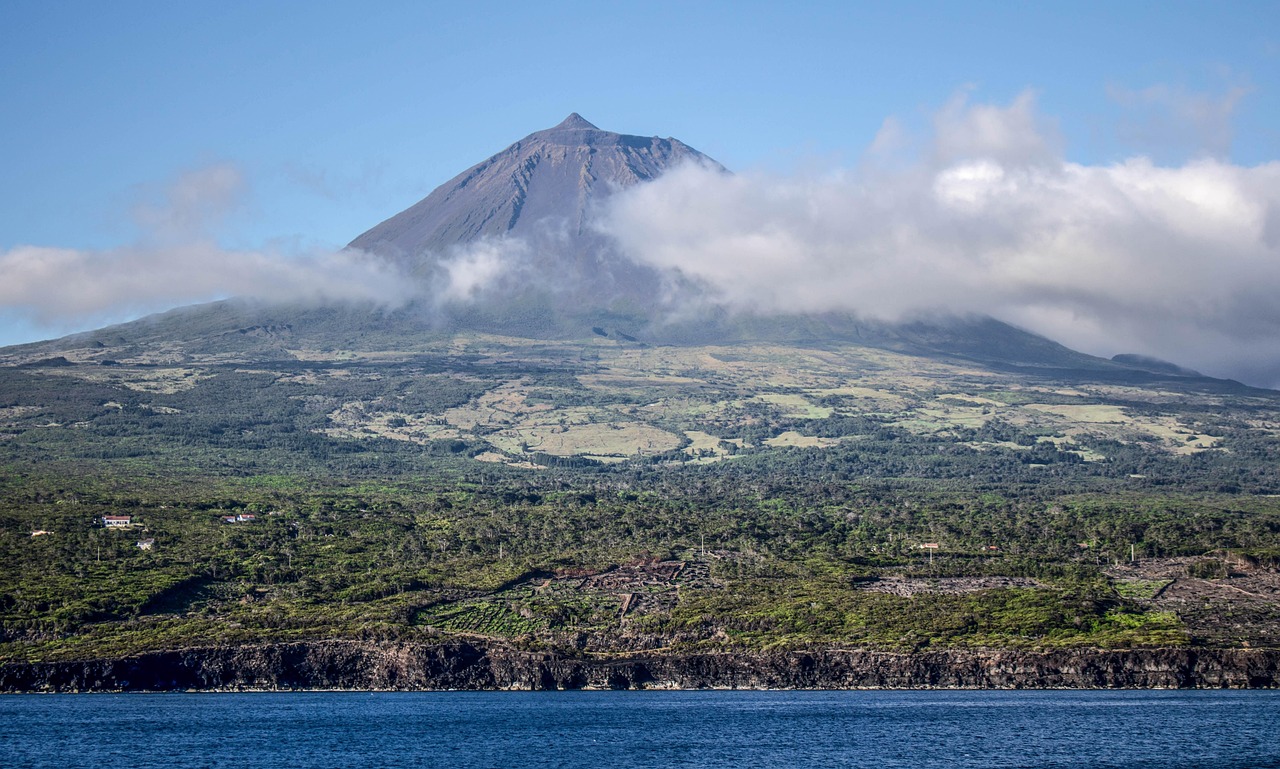
Climbing Mount Pico is one of the most memorable adventures in the Azores. At 2,351 metres, it is the highest mountain in Portugal and a demanding volcanic hike that requires planning, suitable gear and respect for the weather.
| Best for | Independent travellers planning routes, viewpoints and practical stops |
|---|---|
| Recommended transport | Rental car |
| Planning style | Flexible itinerary with weather backup options |
Is climbing Mount Pico difficult?
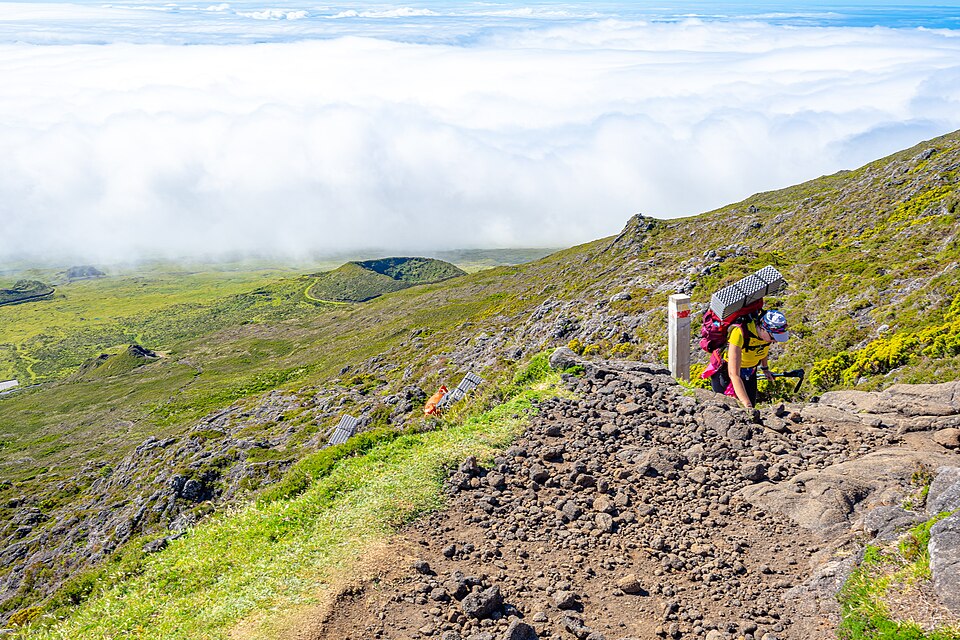
The climb is demanding. The trail is steep, exposed and volcanic underfoot, with loose rock and rapidly changing weather. It is not a casual walk, but fit travellers with hiking experience can complete it with preparation.

Do you need to book?
Yes. Access to Mount Pico is controlled and places are limited. Booking in advance is strongly recommended, especially in summer and around clear-weather windows.
What should you bring?
Bring hiking boots, layers, water, snacks, sun protection, a waterproof jacket and a headlamp if your schedule includes sunrise, sunset or overnight sections.
In high season, the cheapest cars sell out quickly. Comparing early helps you save money and many rates include free cancellation.
Compare hotels, apartments and guesthouses before the best locations sell out.
Recommended experiences
Guided tours can be useful for activities where local knowledge, access or timing matters, especially boat trips, hiking routes, volcanic areas and nature experiences.
Book a mountain ascent, not a general island tour. This activity focuses on climbing Pico. Check the fitness requirements, equipment, included permits and the cancellation arrangements for unsuitable weather.
FAQ
How long does it take to climb Mount Pico?
Most hikers need around 6 to 8 hours for the round trip, depending on pace, weather and trail conditions.
Is a guide necessary for Mount Pico?
A guide is not always mandatory, but it is strongly recommended if you are not experienced with volcanic terrain or changeable mountain weather.
What is the best time to climb Mount Pico?
Summer usually offers the most stable conditions, but the final decision should always depend on the local weather forecast.
Can beginners climb Mount Pico?
Beginners should be cautious. The hike is steep and physical, so previous hiking experience and good fitness are important.
Keep planning your Azores trip
For route planning, open the Azores GPS hub. Our Pico island guide covers other places to visit around your climbing day.
How to prepare for climbing Mount Pico
Climbing Mount Pico is one of the most memorable experiences in the Azores, but it should be treated as a mountain route, not as a simple viewpoint walk. The trail is steep, exposed and volcanic, with uneven ground that can become tiring even for active travellers. Good preparation makes the climb safer and much more enjoyable.
Use our seasonal travel guide when choosing your travel dates. Before choosing a day, check the official conditions and the weather forecast. Clouds can hide the summit quickly, wind can make the route uncomfortable, and rain can make the volcanic rock slippery. If your itinerary allows it, keep more than one possible day for the climb instead of fixing it on a single date.
What to bring for the Pico hike
Wear proper hiking shoes with grip, not casual trainers. Bring layers, because the weather near the summit can be colder and windier than at sea level. A waterproof jacket, water, snacks, sun protection and a charged phone are basic essentials. Hiking poles can also help on the descent, especially if your knees are sensitive.
Do not underestimate the descent. Many visitors focus on reaching the top, but coming down over loose volcanic terrain can feel slower and more demanding. Start with enough daylight, keep a steady pace and avoid pushing too hard early in the climb.
Should you climb Pico with a guide?
A guide is not always mandatory for every visitor, but it can be a very good idea if you are not used to mountain terrain, if the weather is uncertain or if you want extra context about the volcano. Guided climbs also remove some stress from navigation and timing, especially for travellers visiting Pico for only a short stay.
Independent hikers should still register properly, follow the marked route and respect official limits. Pico is not a technical alpine climb in normal conditions, but it is high, exposed and physically demanding by Azores standards.
FAQ about climbing Mount Pico
Is climbing Mount Pico difficult?
Yes, it is physically demanding. The route is steep, rocky and exposed, so you need good fitness, suitable footwear and realistic timing.
How long does it take to climb Mount Pico?
The total time varies depending on fitness and conditions. Many visitors need most of the day when you include the climb, the descent, breaks and logistics.
Can beginners climb Mount Pico?
Fit beginners can do it with preparation, but it is not a casual walk. If you have little hiking experience, consider going with a guide and choose a day with stable weather.
What is the best time to climb Pico?
Summer usually gives more stable conditions, but weather in the Azores can change quickly. Always check the forecast and official route information before starting.
Reservations, rules and mountain responsibility
Before climbing Mount Pico, check the current access rules, registration requirements and official guidance. Visitor numbers, safety recommendations and operating procedures can change, especially in busy periods or when weather conditions are unstable. Do not rely only on old travel blogs or social media posts; use official information close to your travel date.
Respecting the rules is not just bureaucracy. The mountain is a fragile volcanic environment and rescue operations are complicated when people underestimate the route. Stay on the marked trail, carry out your rubbish and avoid starting if conditions are clearly unsuitable. Reaching the summit is never worth taking unnecessary risks.
What the summit experience is really like
On a clear day, the reward can be extraordinary: views over Pico, the ocean and neighbouring islands. On a cloudy day, the climb may feel more like a physical challenge than a viewpoint experience. That is why flexibility matters so much. If Mount Pico is a major reason for your trip, give yourself a weather window rather than arriving with only one possible climbing day.
After the hike, plan a simple evening. Many travellers are more tired than expected after the descent, so it is better to avoid a long drive or a packed sightseeing plan immediately afterwards. A relaxed meal in Madalena, São Roque or Lajes do Pico is usually a better choice than another demanding activity.
Planning the climb around your Pico itinerary
If climbing Mount Pico is important to you, place it early enough in your stay to allow a backup day. Weather is the main variable, and a flexible plan is much better than forcing the climb in poor conditions. Keep easier activities, such as Pico’s wine landscapes, coastal villages or viewpoints, for the days around the hike.
It is also sensible to avoid booking a ferry or flight immediately after the climb. Check our inter-island transport guide before arranging the next leg of your trip. Delays, tired legs and changing weather can all make the day longer than expected. A good Pico itinerary gives the mountain enough space instead of treating it as a quick morning activity. Our seven-day itinerary includes a Pico and Faial option.