
Independent travel guide to Portugal’s Atlantic islands
Discover the Azores Islands
Plan an unforgettable trip across nine volcanic islands, with practical advice on where to go, when to travel, how to move between islands and which experiences deserve a place in your itinerary.
Explore the nine islandsAn Azores travel guide built for real trips
The Azores are a Portuguese archipelago in the North Atlantic made up of nine inhabited volcanic islands: São Miguel, Santa Maria, Terceira, Graciosa, São Jorge, Pico, Faial, Flores and Corvo. Each island has a distinct landscape and rhythm, so the best itinerary depends less on seeing everything and more on choosing the right combination for your time, interests and transport.
Visitar Azores brings together island guides, GPS maps, road-trip ideas, walking routes, food traditions and practical planning advice. The aim is simple: help you understand the archipelago before you book, then make daily decisions easier once you arrive. You can start with the complete guide to the Azores islands, compare activities in Experiences and Adventure, or save exact locations from our Azores GPS hub.
Choose how to start planning
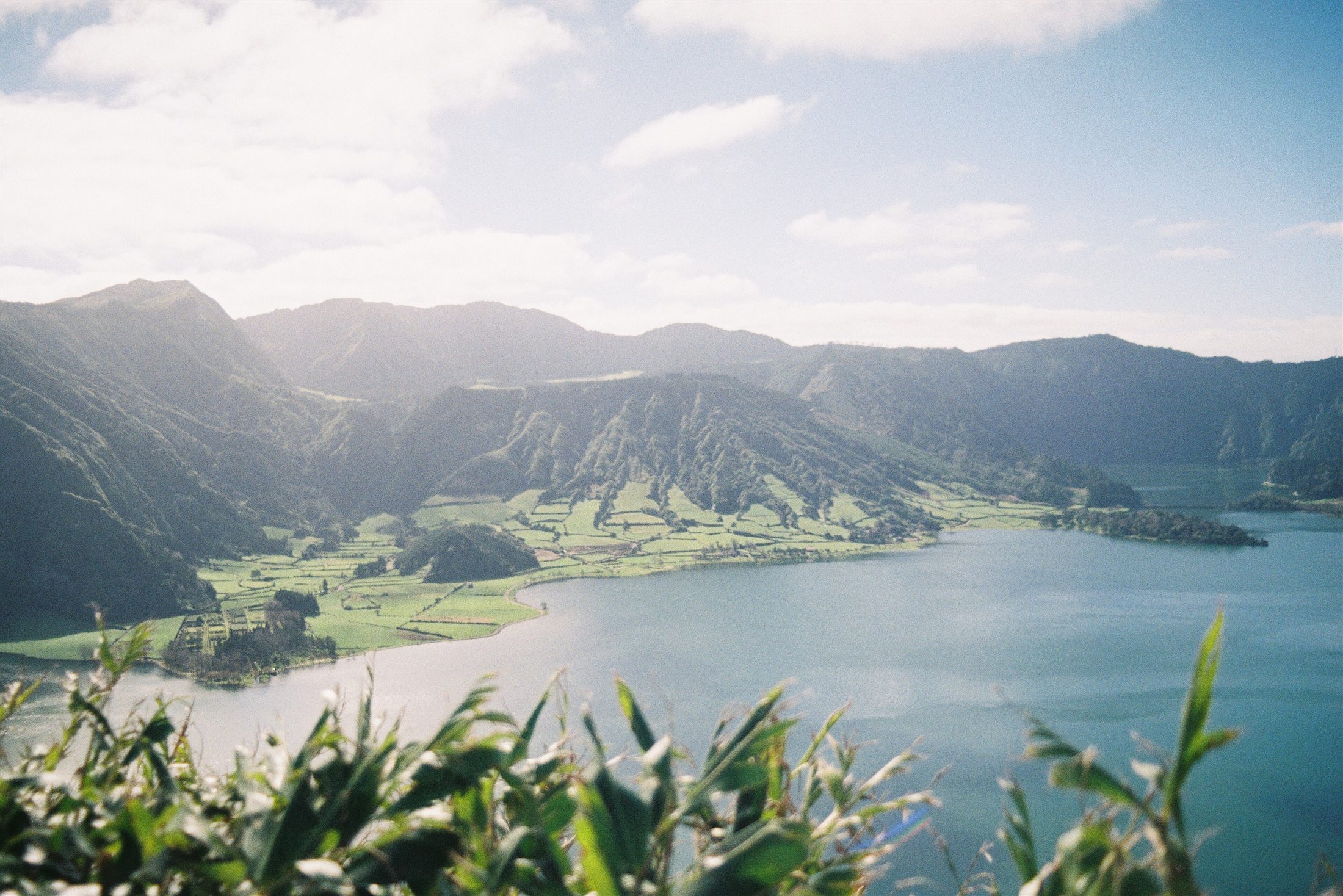
The Islands
Compare all nine islands and discover the landscapes, towns and experiences that make each one different.
Explore islands →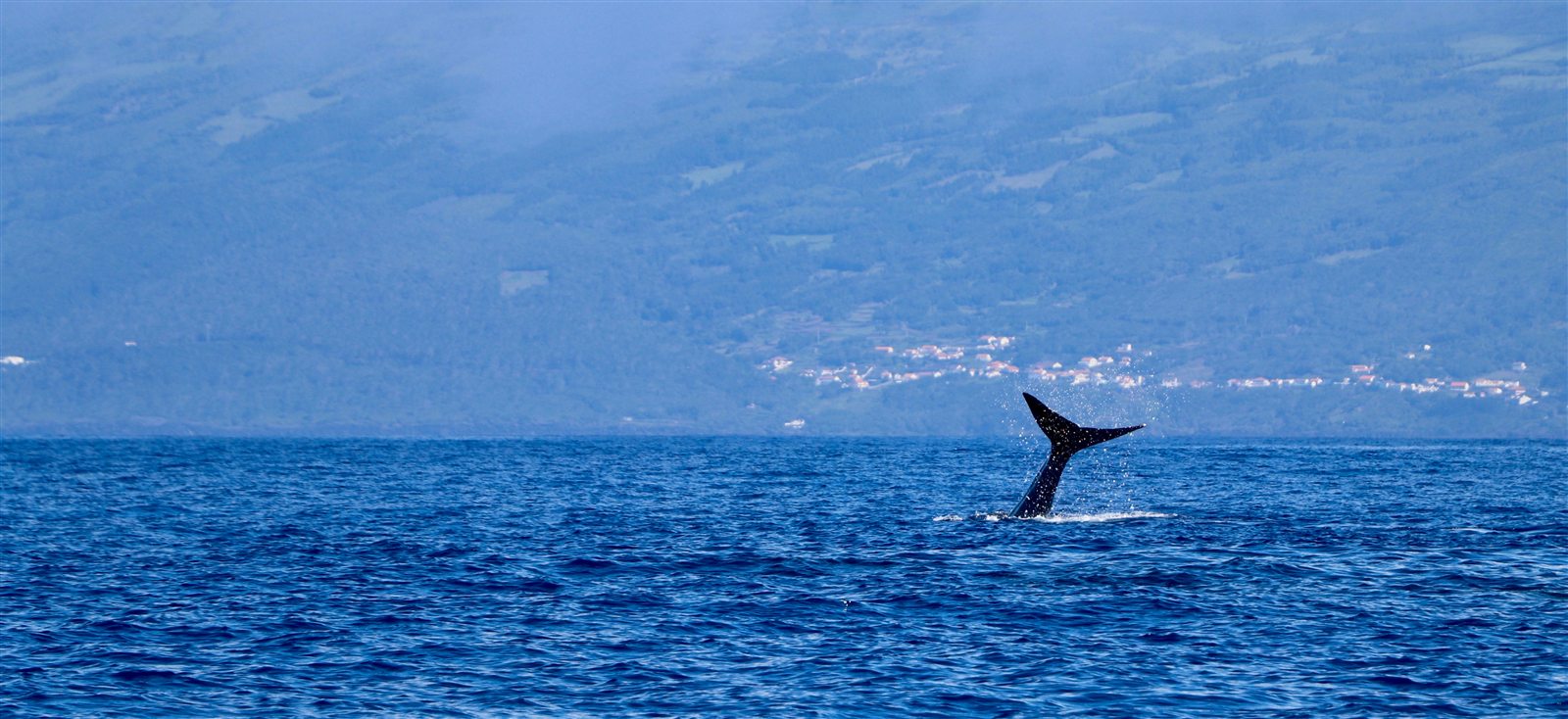
Experiences and Adventure
Whale watching, hiking, volcanoes, natural pools, diving and memorable outdoor activities.
Experiences →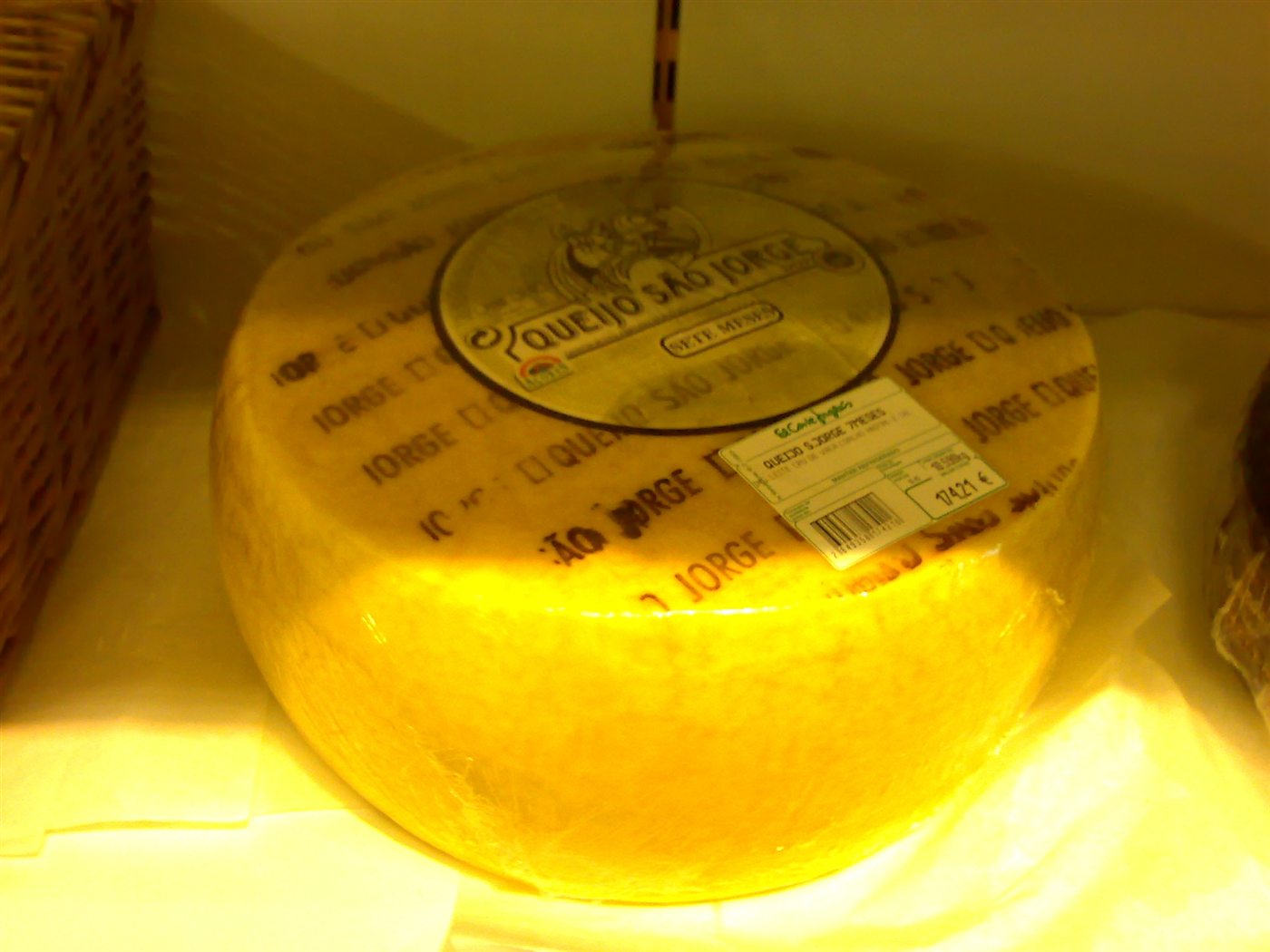
Food and Culture
Island cheeses, volcanic cooking, UNESCO vineyards and the traditions behind Azorean flavours.
Food & culture →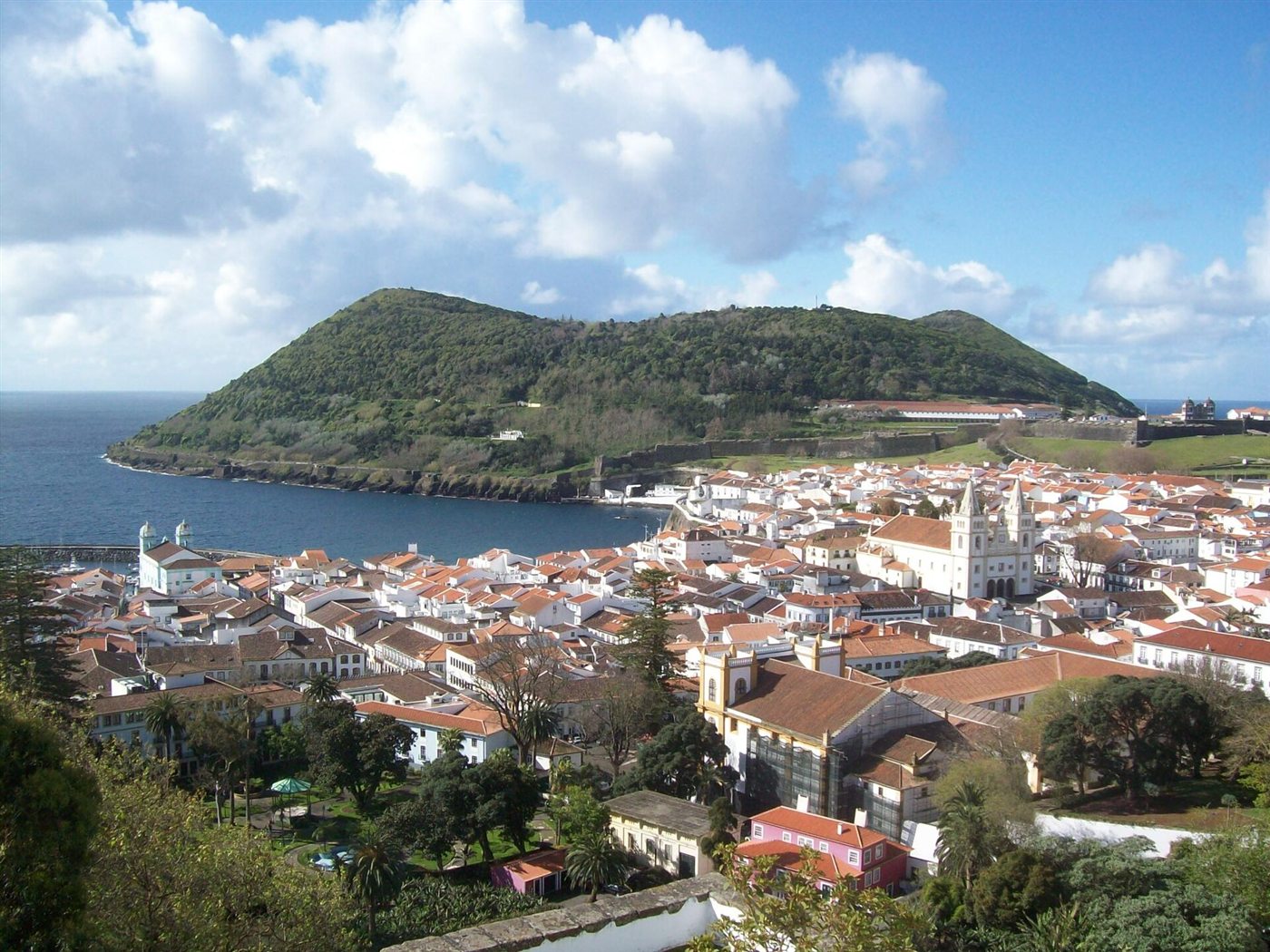
Plan Your Trip
When to go, where to stay, inter-island transport, car hire and realistic itinerary advice.
Plan your trip →Which Azores island should you visit?
São Miguel is the most versatile choice for a first visit. It combines the crater lakes of Sete Cidades and Lagoa do Fogo, the geothermal landscape of Furnas, tea plantations, coastal viewpoints and the largest range of accommodation. Our guide to the best things to do in São Miguel is a useful starting point.
Terceira balances nature with history. Angra do Heroísmo is a UNESCO World Heritage city, while Algar do Carvão, the natural pools at Biscoitos and the island’s rural interior add variety. Read our Angra do Heroísmo guide before deciding where to stay.
Pico is the island for volcanic scale, wine culture and the sea. Mount Pico is Portugal’s highest point, the vineyard landscape is protected by UNESCO and whale-watching departures make the island attractive to active travellers. If the summit is your goal, use our practical guide to climbing Mount Pico.
Nine islands, nine distinct reasons to travel
No island is simply a smaller version of another. These short profiles help narrow the choice before you compare flights and ferries.
São Miguel
Crater lakes, hot springs, tea, long scenic drives and the broadest range of services.
Visit São MiguelSanta Maria
Warmer, drier landscapes, geological colour and Praia Formosa’s pale sand.
Visit Santa MariaTerceira
UNESCO architecture, volcanic caves, natural pools and a strong festival culture.
Visit TerceiraGraciosa
A quiet UNESCO Biosphere Reserve with Furna do Enxofre and gentle rural scenery.
Explore Graciosa by GPSSão Jorge
High cliffs, coastal fajãs, demanding trails and one of Portugal’s great cheeses.
Discover the fajãs of São JorgeFaial
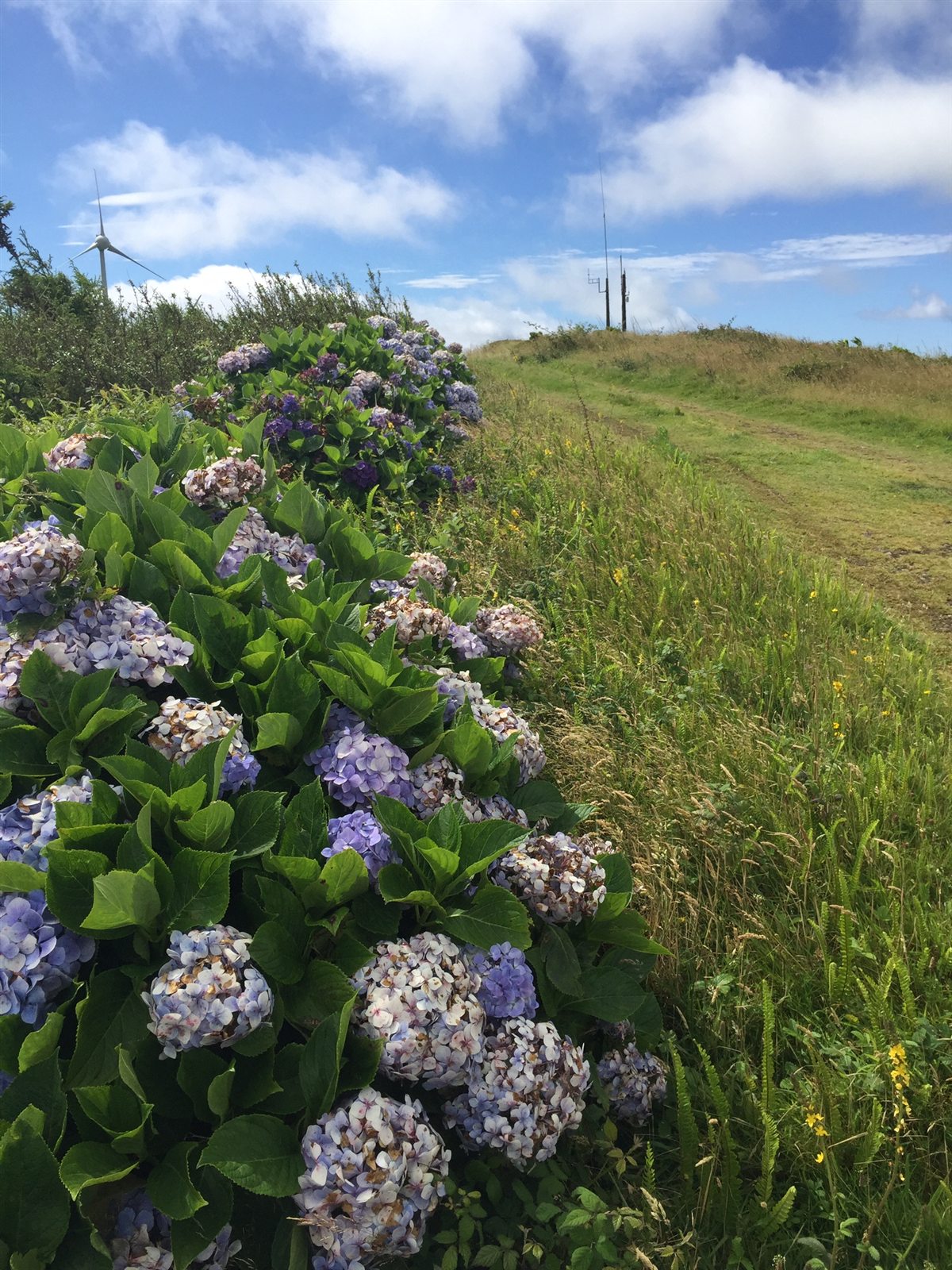
Horta’s harbour, Caldeira, hydrangea-lined roads and the stark landscape of Capelinhos.
Explore Faial by GPSFlores
Waterfalls, deep green valleys, crater lakes and some of the wildest scenery in Portugal.
Explore Flores by GPSCorvo
The smallest island, defined by an intimate community and the vast Caldeirão crater.
Explore Corvo by GPSHow to plan an Azores itinerary
A strong itinerary leaves room for Atlantic weather. Group nearby places, avoid changing island every day and keep one flexible period for a mountain, boat trip or viewpoint that depends on visibility.
5 to 7 days
Choose one island. São Miguel offers the greatest variety, but Terceira, Pico or Flores can each fill a week for travellers with a clear interest.
8 to 10 days
Combine two well-connected islands. São Miguel with Terceira is practical by air; Pico with Faial works especially well because the ferry crossing is short.
12 to 14 days
Choose three islands in one geographic group. Pico, Faial and São Jorge offer volcanoes, towns, fajãs, wine and whale watching without crossing the entire archipelago.
Inter-island flights connect the archipelago throughout the year. Ferry usefulness changes by route and season: the regular Faial–Pico and central-island services are especially important, while some longer connections are seasonal. Check current schedules with the operators before fixing non-refundable accommodation. For a broader overview, see our Azores trip-planning guides.
Best time to visit the Azores
The Azores have a mild maritime climate, but conditions can change quickly. Summer normally brings warmer temperatures, longer days and lower average rainfall, making it the easiest season for first-time visitors, island hopping and high-elevation walks. It is also the busiest and most expensive period, so cars and well-located accommodation should be booked early.
Spring is excellent for green landscapes, flowers and quieter roads. Autumn can remain pleasantly warm, although weather systems become less predictable. Winter is calm and atmospheric, with lower prices and fewer visitors, but some sea activities, trails and inter-island plans need more flexibility. Our month-by-month guide explains the best time to visit the Azores in greater detail.
Nature experiences worth planning around
Whale watching is one of the archipelago’s defining experiences. More than twenty cetacean species have been recorded around the islands, although sightings vary by season and no responsible operator can guarantee a particular species. Pico and Faial have a long relationship with the sea; our guide to whale watching in Pico explains what to expect.
Hiking reveals landscapes that roads cannot. The fajãs of São Jorge, the volcanic slopes of Pico and the waterfall valleys of Flores reward preparation, proper footwear and respect for official trail closures. On São Miguel, shorter routes and viewpoint walks can be combined with thermal pools and coastal stops. Browse our Azores experiences and adventure guides before choosing.
Food, culture and a sense of place
Azorean food is shaped by the ocean, pasture, volcanic soil and island self-sufficiency. In Furnas, cozido is cooked slowly using geothermal heat. São Jorge produces a firm, full-flavoured cheese with protected designation status. Pico’s UNESCO-listed vineyard landscape preserves small plots divided by black basalt walls, built to protect vines from Atlantic wind and salt.
Local menus may include limpets, tuna, octopus, fresh cheese, bolo lêvedo, pineapple from São Miguel and regional sweets. Rather than treating food as an isolated attraction, connect it to the landscape: visit a tea plantation, understand the stone wine currais, browse a municipal market or ask how a cheese changes with age. Explore the stories in our Food and Culture section, including guides to São Jorge cheese and Pico wine and UNESCO vineyards.
- Reserve popular restaurants in small towns during summer.
- Check opening days before driving to remote museums or producers.
- Leave time for local markets and small food shops.
- Choose seasonal seafood and ask about regional specialities.
- Never enter vineyards, farms or private paths without permission.
- Combine tastings with short drives or a designated driver.
Use GPS maps without losing spontaneity
Mobile coverage is generally good around settlements and main roads, but signal can weaken in steep valleys and remote coastal areas. Save maps for offline use, download your rental-car agreement and keep accommodation details available without a connection.
Our GPS guides group viewpoints, parking areas, trail starts, thermal pools and practical stops by island. They are designed to reduce unnecessary driving, not to turn the trip into a rigid checklist. Start with the complete Azores GPS map, then open the map for the island you are visiting.
Open the Azores GPS guides
Frequently asked questions about the Azores
How many days do you need in the Azores?
Allow at least 5 to 7 days for one island. Ten days works well for two islands, while 12 to 14 days gives enough time for a three-island route without spending the trip constantly packing and transferring.
Which Azores island is best for a first trip?
São Miguel is the easiest all-round introduction because it offers crater lakes, geothermal areas, coast, tea plantations, many places to stay and the largest selection of services. Terceira is an excellent alternative for travellers who value culture, history and shorter driving distances.
Do you need a car in the Azores?
A car is strongly recommended on most islands if you want to reach viewpoints, trailheads and rural attractions efficiently. In Ponta Delgada or Angra do Heroísmo you can spend time without one, but public transport is not designed to cover every sightseeing route.
Can you visit several Azores islands by ferry?
Yes, but not every island pair has a practical year-round ferry. Pico and Faial are closely connected, and central-group routes are useful. Longer seasonal services change, so always confirm current Atlânticoline timetables before booking a tight connection.
What is the best month to visit the Azores?
June and September often provide a good balance of outdoor conditions and daylight. July and August are normally the busiest months. The best choice still depends on whether your priority is hiking, whale watching, swimming, flowers, lower prices or quieter roads.
Is the weather the same on every island?
No. All nine islands share a mild Atlantic climate, but cloud, wind and rain can differ significantly between islands and even between two sides of the same island. Keep plans flexible and check local forecasts and webcams rather than relying on one archipelago-wide symbol.
Are the Azores suitable for families?
Yes. Scenic drives, short walks, beaches, natural pools, gardens, caves and wildlife experiences suit many ages. Choose activities according to sea conditions and trail difficulty, and remember that barriers may be limited at remote viewpoints.
How should I choose accommodation?
Choose the base that reduces daily driving. Ponta Delgada offers convenience on São Miguel, Angra do Heroísmo combines atmosphere and services on Terceira, and Madalena is practical for Pico and ferry connections to Faial. On larger islands, splitting the stay can be useful only if you have enough nights.