

The best time to visit the Azores depends on what you want from the trip: stable weather, whale watching, flowers, hiking, lower prices or quieter islands. The archipelago can be visited all year, but each season changes the experience. This guide helps you choose when to travel and how to plan around Atlantic weather.
Best Months to Visit the Azores
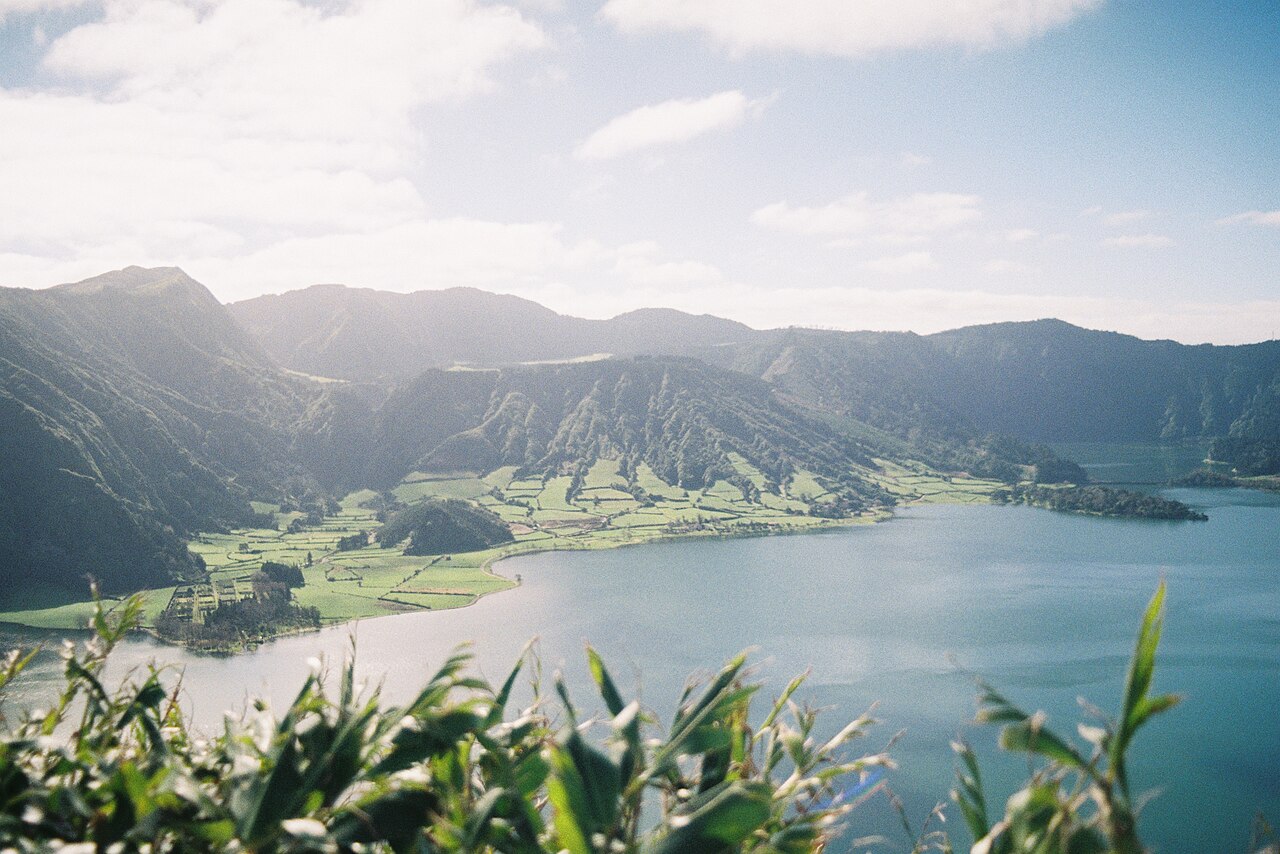
For most travellers, the best months are May, June, September and early October. These months usually offer a good balance between pleasant temperatures, greener landscapes, lower crowds and better prices than peak summer. July and August are the warmest and busiest months, ideal for swimming and beach days but less ideal if you want quiet roads and cheaper rental cars.
Winter is not a bad time to visit the Azores, but it is a different trip. Expect more rain, more wind and a slower rhythm. It can be excellent for hot springs, dramatic coastal scenery and lower accommodation prices, but it is not the most reliable season for hiking every day.
Spring in the Azores: Green Landscapes and Flowers
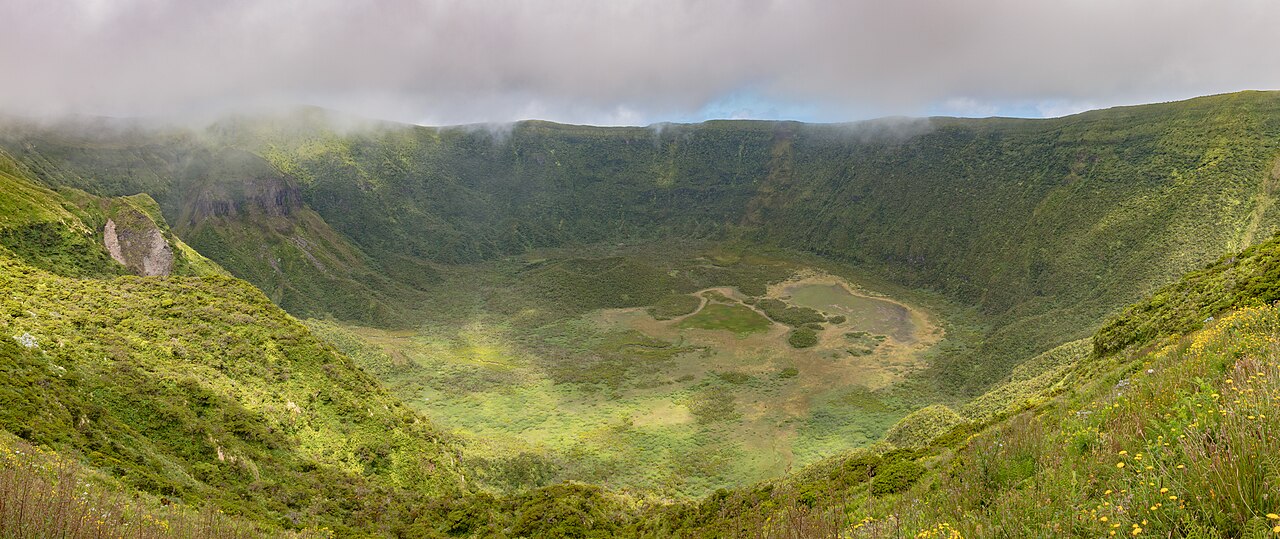
Spring is one of the most beautiful times to travel. The islands are lush, temperatures are mild and the atmosphere is quieter than in summer. Hydrangeas usually become more visible from late spring into summer, while many viewpoints and crater lakes look intensely green after the wetter months.
Summer in the Azores: Swimming, Ferries and Longer Days
Summer brings warmer air, warmer sea and the longest days. It is the easiest season for swimming, natural pools, boat trips and island hopping, although prices rise quickly. If you travel in July or August, book accommodation and rental cars early, especially on smaller islands such as Flores, Santa Maria, São Jorge and Pico.
Summer is also when the islands feel most alive. Festivals, local events and restaurants are busier, and ferries between some islands are more useful than in winter. Check our inter-island transport guide and confirm the operator’s timetable for your dates. The trade-off is simple: better beach weather, more demand.
In high season, prices rise quickly and the cheapest cars sell out. Comparing early helps you save, and many rates allow free cancellation.
Whale Watching Season in the Azores
Whale watching is possible for much of the year, but spring to autumn is usually the most attractive period. Pico and São Miguel are two of the strongest bases for whale watching in the Azores. Sperm whales can be seen in the archipelago, while several migratory species pass through during spring.
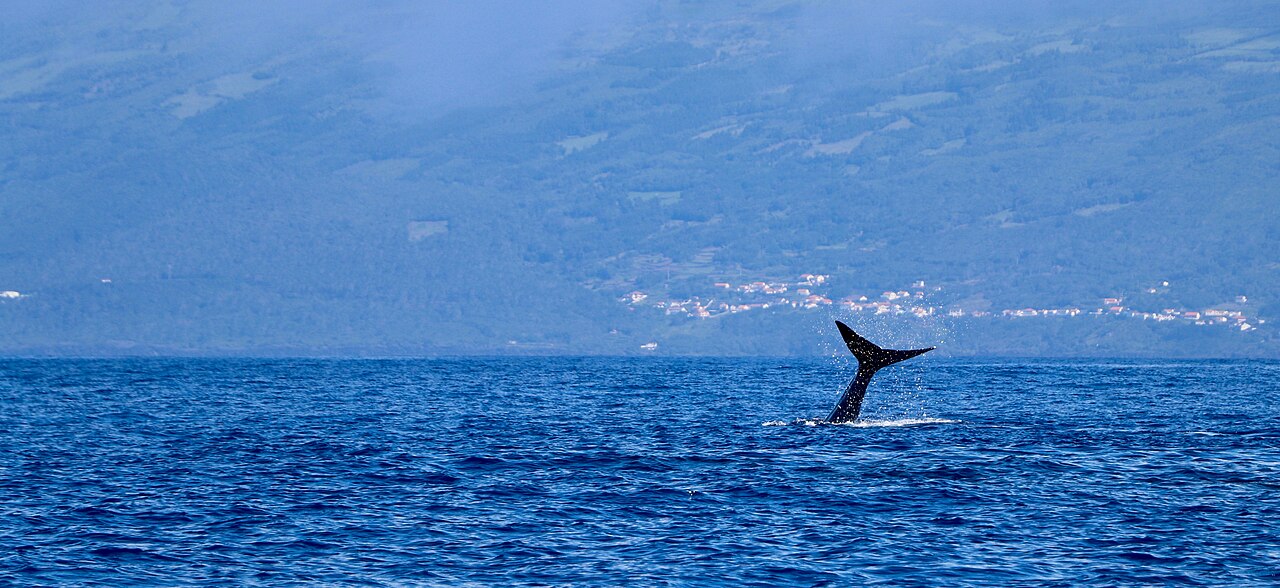
For a dedicated marine trip, read our guide to whale watching in Pico.
Autumn in the Azores: Warm Sea and Fewer Crowds
September is one of the smartest months to travel. The sea is still warm, the islands are calmer than in August and many viewpoints remain green. Early October can also be very good, although weather becomes less predictable as the month advances.
Winter in the Azores: Lower Prices and Atlantic Weather
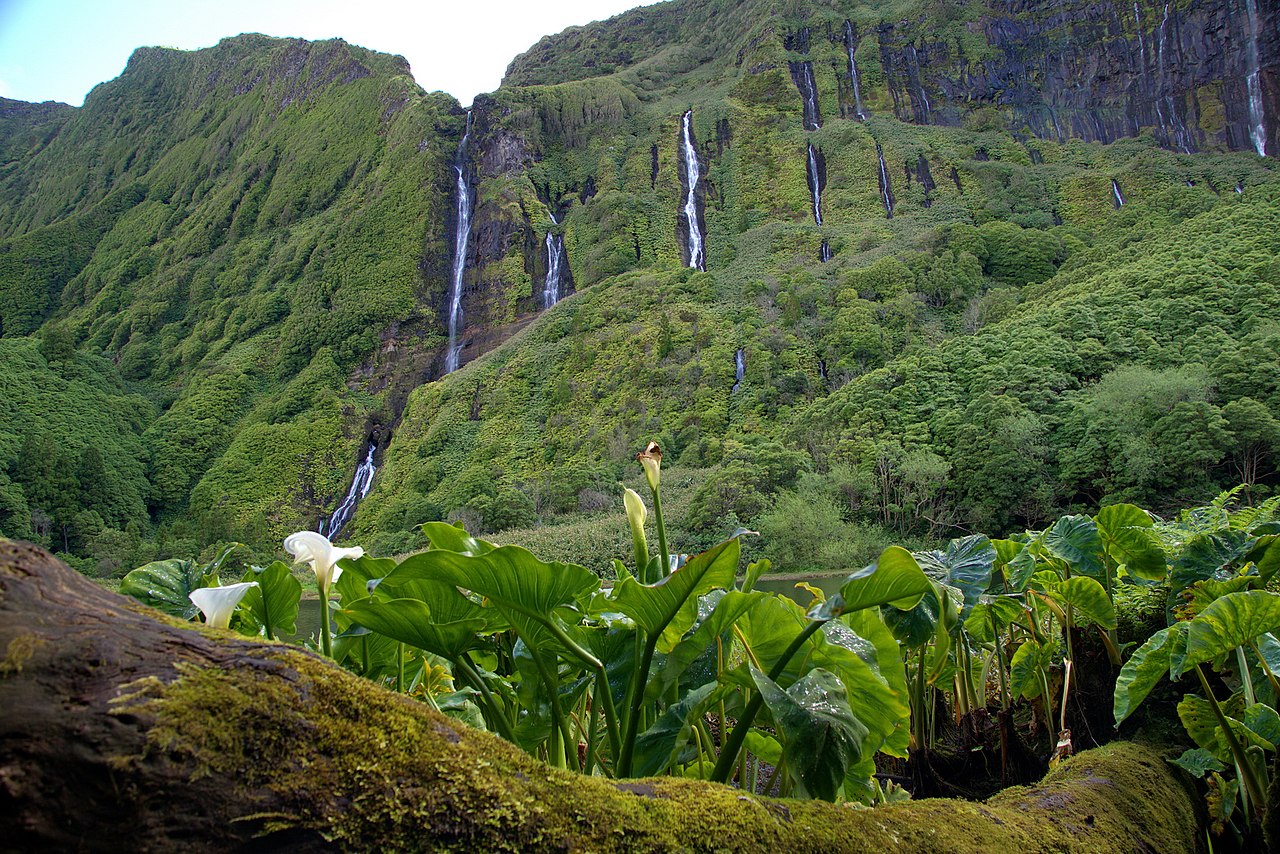
Winter is best for travellers who accept flexibility. You can enjoy hot springs in Furnas, volcanic landscapes, quiet towns and lower prices, but you should avoid overloading the itinerary. Build extra time into your route and keep a plan B for rainy days.
Where to Stay in the Azores by Season
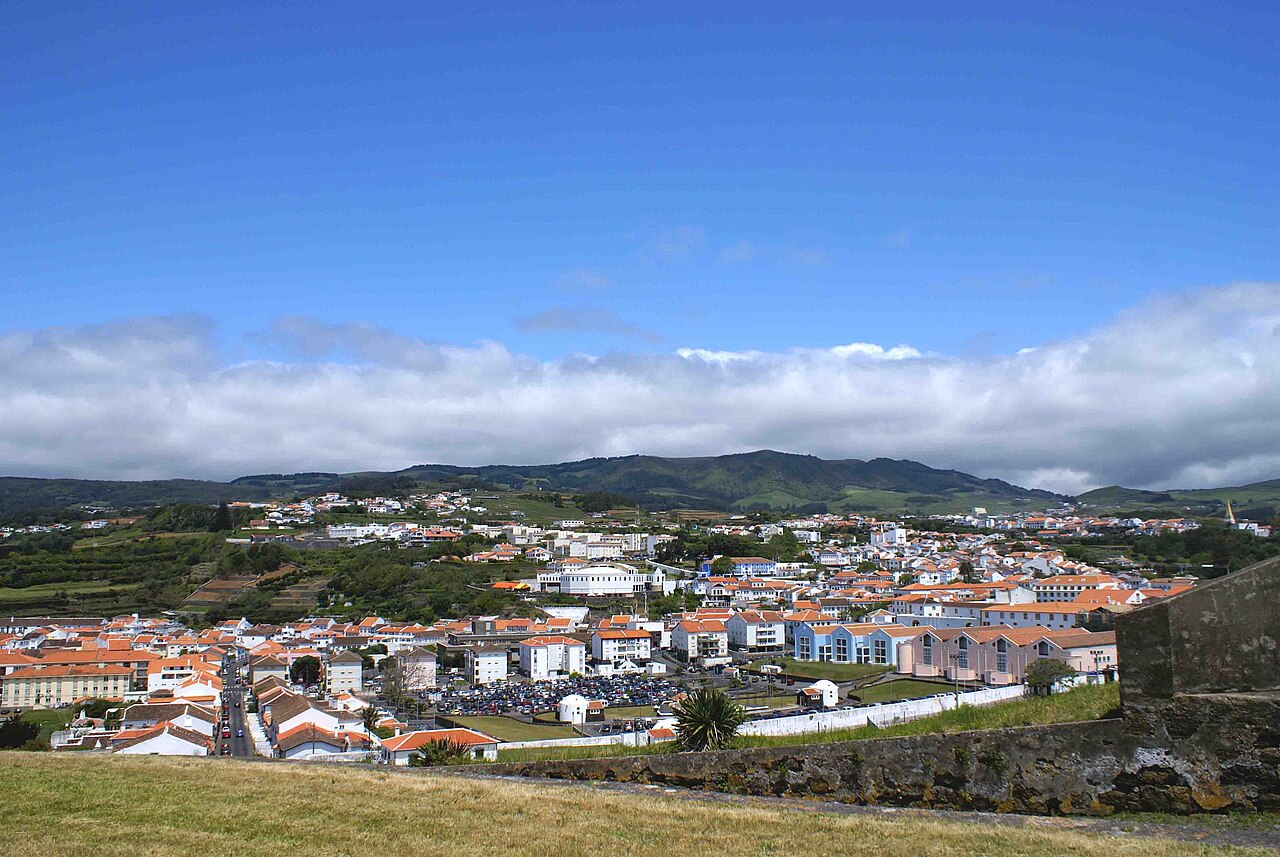
In summer, book earlier and choose bases that reduce driving time. In winter, staying near services is more practical, especially in Ponta Delgada, Angra do Heroísmo, Horta or Madalena. Our São Miguel accommodation guide helps you compare bases on the largest island. For a first trip, São Miguel is the easiest island year-round, while Pico, Faial, Terceira and Santa Maria work beautifully when flights and weather fit your plan.
Use Booking to compare hotels, apartments and rural stays across the islands before prices rise in peak season.
Month-by-Month Overview
| Month | Best For | What to Expect |
|---|---|---|
| January to March | Hot springs, quiet towns, lower prices | More rain and wind, flexible plans needed. |
| April to June | Green landscapes, flowers, whales, hiking | One of the best balances for first-time visitors. |
| July and August | Swimming, festivals, island hopping | Warmest and busiest period; book early. |
| September | Warm sea, fewer crowds, good weather | Excellent month for most travellers. |
| October to December | Quiet travel, scenery, lower prices | Weather becomes more unstable. |
FAQ: Best Time to Visit the Azores
What is the best month to visit the Azores?
June and September are often the best months because weather is pleasant, landscapes are green and crowds are lower than in August.
When does it rain less in the Azores?
Summer usually has less rain, especially July and August, although short showers can happen at any time of year.
When is whale watching season in the Azores?
Whale watching is possible for much of the year, but spring to autumn is generally the most attractive period.
Is winter worth it in the Azores?
Yes, if you want lower prices, hot springs and quieter towns, and you accept more rain and wind.
When are hydrangeas in bloom in the Azores?
Hydrangeas are usually most visible from late spring through summer, depending on island, altitude and weather.
When is the cheapest time to visit the Azores?
Late autumn, winter and early spring are usually cheaper than July, August and the main holiday periods.
How Weather Should Shape Your Azores Route
In the Azores, the best itinerary is flexible. Instead of assigning every viewpoint to a fixed hour, group places by area and move them around according to the forecast. On São Miguel, for example, Sete Cidades, Lagoa do Fogo and Furnas can each deserve a clearer window. On Pico, weather matters even more if you plan to climb Mount Pico.
This is why rental cars and realistic pacing matter. Our seven-day itinerary includes alternatives for changing conditions. A slower route lets you swap a viewpoint day with hot springs, a coastal drive or a town visit without feeling that the trip has failed.
Best Time for a First Trip to the Azores
If it is your first time, aim for June or September if possible. These months usually give you enough daylight, comfortable temperatures and good scenery without the peak pressure of August. If school holidays force July or August, the trip can still be excellent; just book earlier and accept busier roads and higher prices.