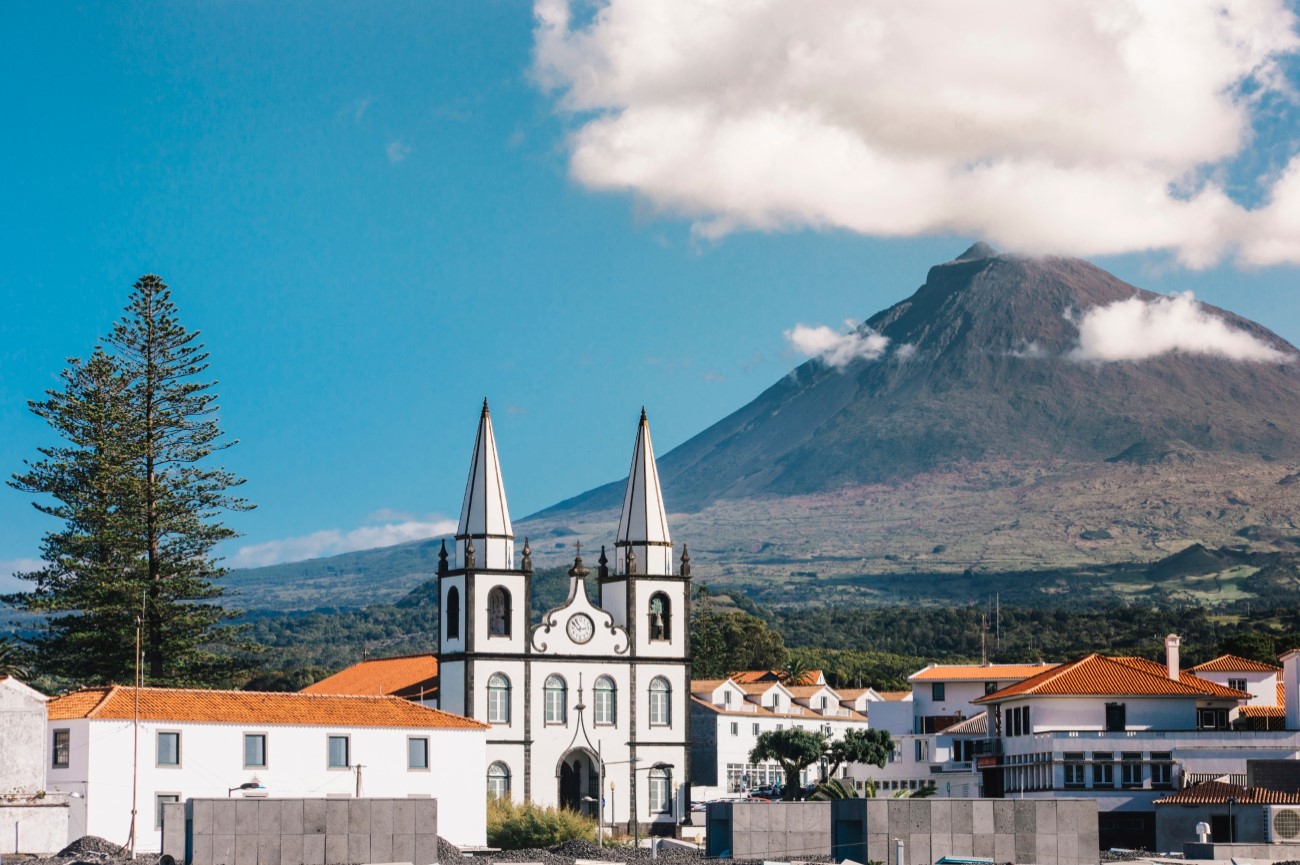


Its summit is easily visible from the neighbouring islands of Faial and São Jorge. When you arrive by plane to the “Triangle”, flying over the central group, you can see it rising above an ocean of clouds.
Get to know Pico Island (Azores) better
With an area of 448 km², Pico Island is the second largest in the archipelago and is home to Portugal’s highest mountain, reaching 2,351 metres. Known as the Mountain Island, it’s part of the “Triangle islands”, the southernmost in the central group, located 6 km from Faial.
The warm, dry climate, together with the volcanic soil and the black-stone mosaic landscape—the currais—favours vine growing, especially the verdelho variety. The island’s wine and brandy have gained fame both locally and internationally, exported to Europe and America, and even reaching the tables of the Russian tsars.
The lava fields, known as lajidos or terras de biscoito, make up the Landscape of the Vineyard Culture of Pico Island, designated a UNESCO World Heritage Site in 2004. Highlights include Lajido da Criação Velha and Lajido de Santa Luzia. Read our Pico wine and vineyards guide to plan your visit.
In the black lava you’ll find the rilheiras, grooves left by ox carts that carried grapes and barrels. In the ports, the rola-pipas, ramps used to slide barrels down to the boats, are still in use.
The volcanic cone of Mount Pico, the third-largest volcano in the Atlantic, dominates the landscape. Its main crater is home to Piquinho, with permanent fumaroles that reveal its volcanic nature. At 1,250 metres, where the hike begins, you can take in much of the island, as well as Faial and São Jorge. The climb, while challenging, offers unmatched views that, on clear days, let you see Graciosa and Terceira. Check our guide to climbing Mount Pico for preparation and planning advice.
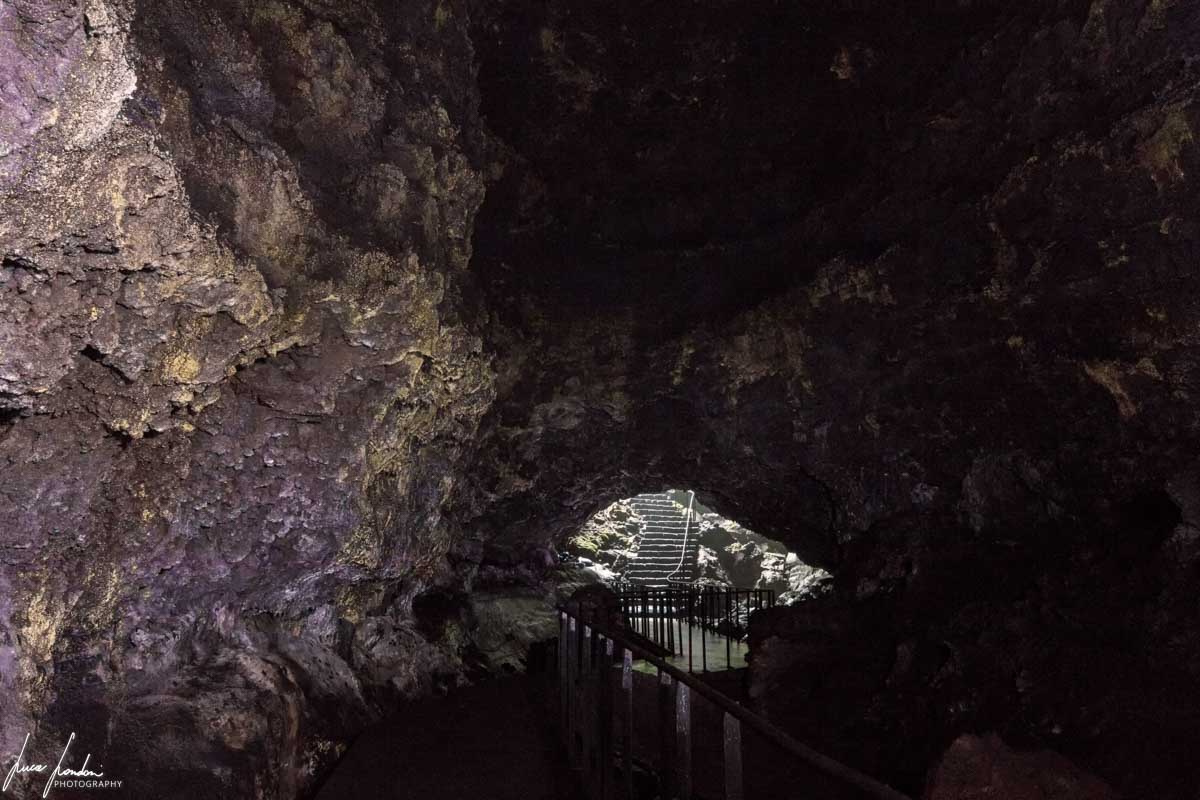
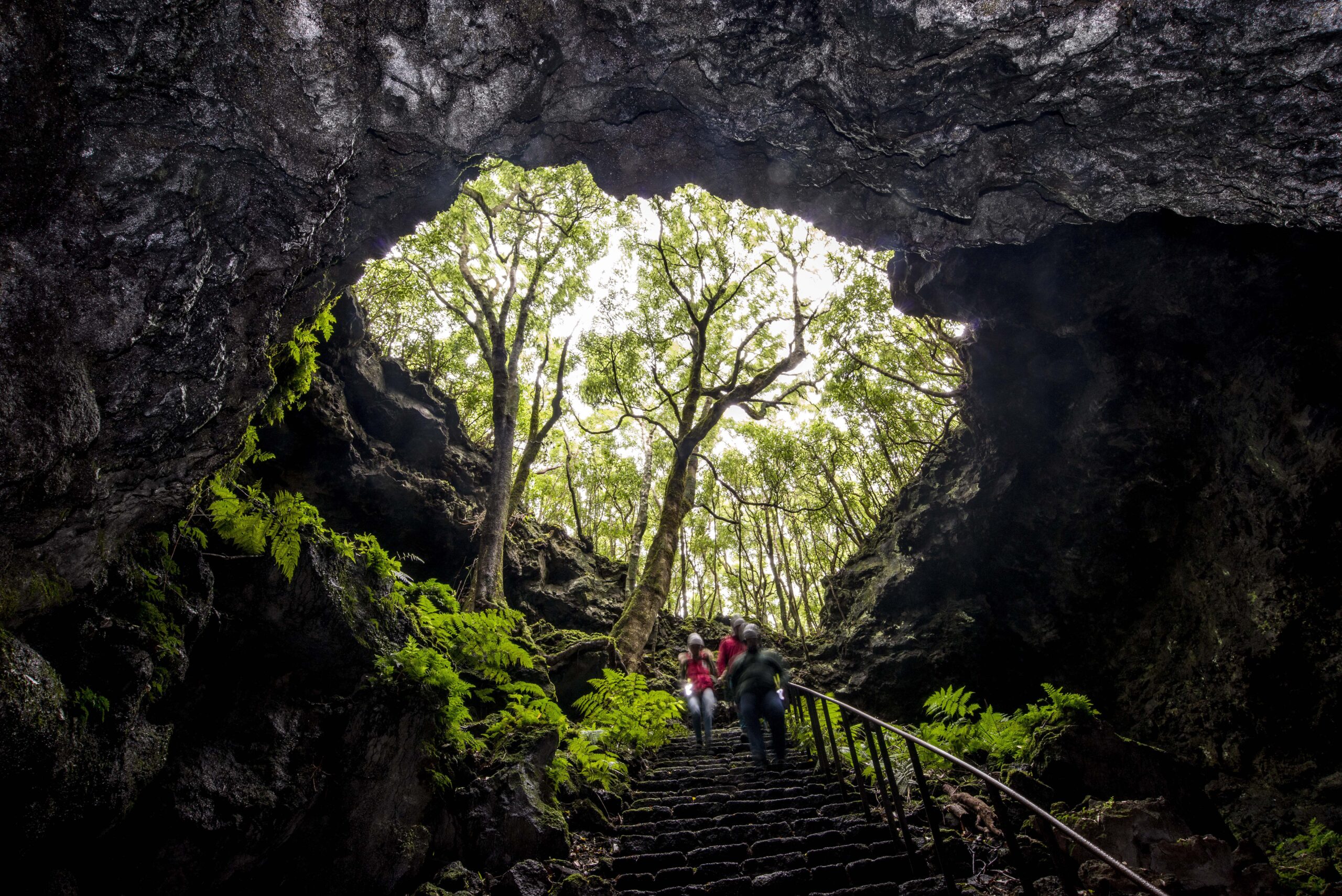
Pico is home to one of the largest visitable lava tubes in the world, the Gruta das Torres, with five kilometres adorned with stalactites, lava stalagmites, and striated walls.
The best things to do on Pico Island (Azores)
Pico Island is the newest in the Azores. The black lava that covers most of the island contrasts with the blue sea—home to whales and dolphins you can spot on the frequent boat trips—and with the green of the vineyards, a UNESCO-recognised landscape where you can enjoy a glass of exquisite white wine.
On its namesake mountain lies the highest point in the country, and climbing to Piquinho is an experience that captivates many travellers, who come to admire the views and the starry sky from Portugal’s highest point. The mountain has such a powerful pull that, whether you decide to climb it or not, during your stay on the island you’ll always feel drawn to it.
Pico Island is home to the impressive Gruta das Torres, Portugal’s longest lava tube. This fascinating place helps us better understand the landscapes of the entire Azores region, with its lajidos terrain and the mysteries of recent volcanic eruptions. What’s more, Pico offers a sea that’s perfect for diving—whether with gear or freediving—and the chance to enjoy its spectacular natural pools.

Visiting Pico Island’s architecture
Pico Island is home to fascinating architecture linked to vine growing, with impressive estates, wineries, warehouses, manor houses, tide wells (which provided water to residents), convents, churches, and ports, all open to visitors. In the municipality of São Roque do Pico, several coastal settlements are part of the island’s Vineyard Culture Landscape. In the past, these areas consisted of manor houses and production complexes, with warehouses next to small ports or jetties, accompanied by tide wells and surrounded by vast stretches of vineyards and fig trees. These properties often have their own 16th- or 17th-century chapels and, of course, the traditional wine cellars (adegas).
The following settlements stand out: Cabrito, Arcos, Lajido (parish of Santa Luzia); Carregadouro (parish of Santo António); Cachorro, Cais do Mourato (parish of Bandeiras); Formosinha, Barca, Pocinho, Pontinha (parish of Santa Madalena); Pocinho, Porto do Calhau, Mingato, Fogos and Porto de Ana Clara, Guindaste, Canada das Adegas (parish of Candelária) and Areeiro (parish of São Mateus).
Discover Pico Island’s wine culture
Visitors to Pico Island shouldn’t miss the chance to explore the stunning Vineyard Landscape. It’s recommended to start with a visit to the Interpretation Centre located in Lajido de Santa Luzia. This area, known as “Paisagem Protegida da Cultura da Vinha” (Protected Landscape of Vineyard Culture), offers a deep understanding of this unique wine-growing region of the Azores.
In Areia Larga you’ll find the Wine Cooperative, the heart of Pico Island’s local wine production. Visiting Pico’s wineries is the perfect complement and the highlight of the Vineyard Landscape route. Here, visitors can sample Pico’s exquisite wines and buy them.
Visiting the Tide Wells
The Tide Wells are an integral part of the Vineyard Culture Landscape on Pico Island, standing out for their significant cultural value. They provided water to residents, as there were no rivers or springs, and were essential not only for domestic use but also for operating the stills, used for cooling and washing. These wells are spread along the coast, although some, like Poço do Aço, are more than 700 metres from the sea. They represented power and social status and were located within wine estates, next to manor houses and stately homes, or beside convent houses, at the main entrance to the property.
Notable examples include Solar dos Salgueiros in Santa Luzía and Solar dos Arriagas in Guindaste. Community tide wells were found along old lanes or roads of the time, marked by the “rilheiras” left by ox carts that carried barrels of water.
Step inside a volcano by visiting Gruta das Torres
This cave is one of the largest lava tubes in Europe, and inside you can observe different types of lava structures. Its 5 km length—of which around 500 metres are open to visitors—features various types of lava stalactites and stalagmites, striated walls, and ropey lava formations that reveal the volcanic force that shaped the island. The guided visit lasts about an hour and lets you descend into the heart of the volcano at a constant temperature of around 15°C, so it’s worth bringing a jacket even in summer. Booking in advance is recommended in high season, as groups are small to preserve the environment.
How to get around Pico Island
Pico Island is over 40 km long, and its main attractions—from Gruta das Torres inland to the UNESCO-listed vineyards on the north coast, via whale lookouts and the base of the mountain—are spread across the island. Public transport is very limited and timetables aren’t designed for tourists, so renting a car in Pico is pretty much essential to make the most of your time. Having your own vehicle lets you explore at your own pace, stop at small fishing ports, and reach coves that would otherwise be inaccessible.