
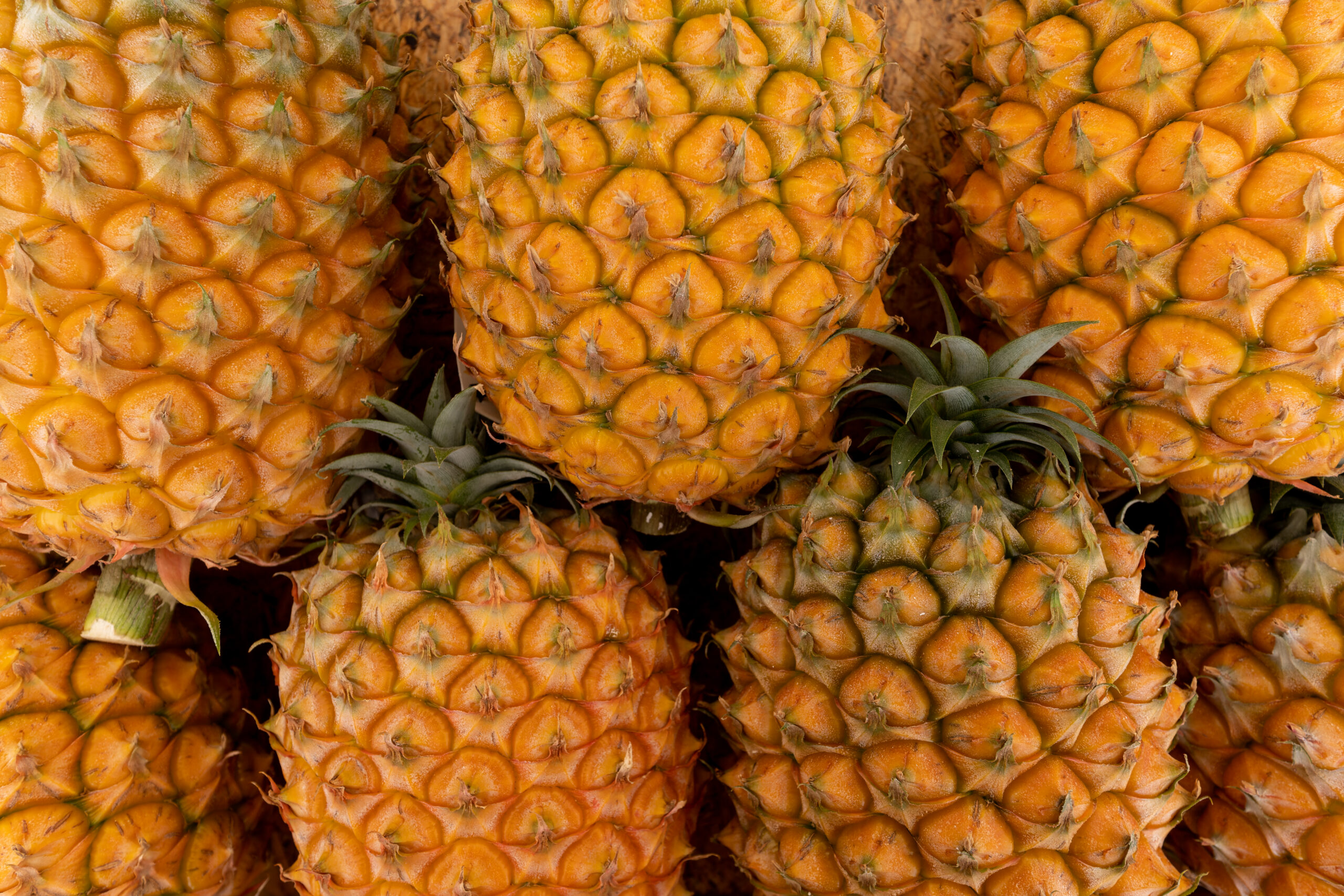
São Miguel pineapple is one of the clearest examples of how food in the Azores is shaped by climate, patience and island identity. This is not just a tropical fruit served at the end of a meal. On São Miguel, pineapple is a protected product, grown in traditional glasshouses, tied to local agriculture and often used in one of the island’s most memorable starters: morcela with pineapple.
Many visitors arrive on São Miguel thinking first about crater lakes, Furnas, viewpoints and volcanic landscapes. Pineapple appears more quietly: in markets, restaurants, desserts, liqueurs and greenhouse visits around Ponta Delgada. But once you understand how it is grown, it becomes more than a souvenir flavour. It becomes part of the island’s story.
Why São Miguel pineapple is different
Ananás dos Açores/São Miguel has protected designation status and is produced on the island of São Miguel. The fruit is traditionally grown in glasshouses using techniques such as warm organic beds and controlled smoke to induce flowering. The full cycle can take around two years, which explains why this pineapple feels more like a crafted regional product than a standard mass-market fruit.
The flavour is usually intense, aromatic and balanced between sweetness and acidity. It is not the huge, watery pineapple many travellers know from supermarkets. São Miguel pineapple tends to be smaller, more concentrated and more fragrant, with yellow flesh and a clean acidic edge that works beautifully after a heavy meal or beside richer ingredients.
Where to see pineapple greenhouses on São Miguel
The Ponta Delgada area, especially around Fajã de Baixo and nearby districts, is the easiest place to visit pineapple plantations. Some greenhouses welcome visitors and show the different stages of the plant’s growth. It is a short stop, but a useful one if you want to understand local food beyond restaurants.
A pineapple greenhouse visit fits well into a relaxed day in Ponta Delgada, before heading to the airport, or as a small cultural stop between the south coast and Furnas. You do not need to plan a full morning; in many cases, 30 to 45 minutes is enough to see the glasshouses, taste a product and understand the process.
Morcela with pineapple: the classic São Miguel contrast
Morcela with pineapple, or morcela com ananás, is one of the most typical starters on São Miguel. The idea is simple: warm, spiced blood sausage served with slices of pineapple. The sausage brings fat, spice and depth; the pineapple brings sweetness, acidity and freshness. Together they balance each other.
It is usually served as a starter or sharing dish rather than as a heavy main course. Some restaurants grill the pineapple, others serve it fresh. When it is done well, the dish is surprisingly elegant: the fruit cuts through the richness of the morcela and leaves a flavour that feels unmistakably Azorean.
When to order it
It works best at the beginning of a meal, especially before fish, regional meat or a lighter main course.
Where to find it
Look in traditional restaurants on São Miguel and menus focused on local starters, regional sausages and island products.
How to recognise it
Search for morcela com ananás. If possible, ask whether the pineapple is from São Miguel and whether the morcela is served hot.
Pineapple as dessert, ingredient and edible souvenir
São Miguel pineapple is also used in desserts, jams, liqueurs, juices and more contemporary dishes. Fresh pineapple is a natural way to finish a large meal because it refreshes the palate. It can also appear with fresh cheese, in salads or beside meats. For a food-focused trip, it pairs well with São Jorge cheese, Pico wine and cozido das Furnas.
If you want to bring something home, pineapple liqueur, jam or sweets are easier than fresh fruit. They travel better and keep the flavour memory without transport problems. If you do buy fresh pineapple, do it near the end of your trip and ask the seller how best to carry it.
How to include it in a São Miguel itinerary
A simple route could start in Ponta Delgada, continue with a pineapple greenhouse visit and then move towards the south coast or Furnas. Another option is to keep it for a city day with the market, the historic centre and a relaxed dinner. If you are planning the island by areas, our São Miguel GPS map can help you group stops without wasting time on the road.
FAQ about São Miguel pineapple
Is São Miguel pineapple the same as ordinary pineapple?
Not exactly. It is pineapple grown on São Miguel using traditional glasshouse methods and protected as Ananás dos Açores/São Miguel. It is usually more aromatic and has a balanced sweet-acid flavour.
Where is Azores pineapple grown?
It is mainly grown on São Miguel, especially around Ponta Delgada and Fajã de Baixo, in traditional glasshouses.
What is morcela with pineapple?
It is a typical São Miguel starter made with warm spiced blood sausage and pineapple. The fruit balances the richness of the sausage.
Can you visit pineapple plantations on São Miguel?
Yes. Several plantations welcome visitors and show the glasshouses and different stages of the pineapple-growing cycle.
Is morcela with pineapple very sweet?
No. The pineapple adds freshness and acidity as much as sweetness, which is why the combination works so well.
What to compare when you taste it
If you try São Miguel pineapple in more than one place, pay attention to aroma before sweetness. A good slice should smell fresh and tropical without feeling flat or watery. The acidity is part of the identity of the fruit, especially when it is served after rich Azorean dishes. In restaurants, it is worth asking whether the pineapple is local rather than imported, because the flavour and texture can be noticeably different. For travellers using food as a way to understand the island, this small question often opens a better conversation with the waiter or producer.
Sources consulted: IAMA/Government of the Azores on Ananás dos Açores/São Miguel PDO, local producer information on pineapple cultivation, Azorean food heritage references and Wikimedia Commons for the image.