
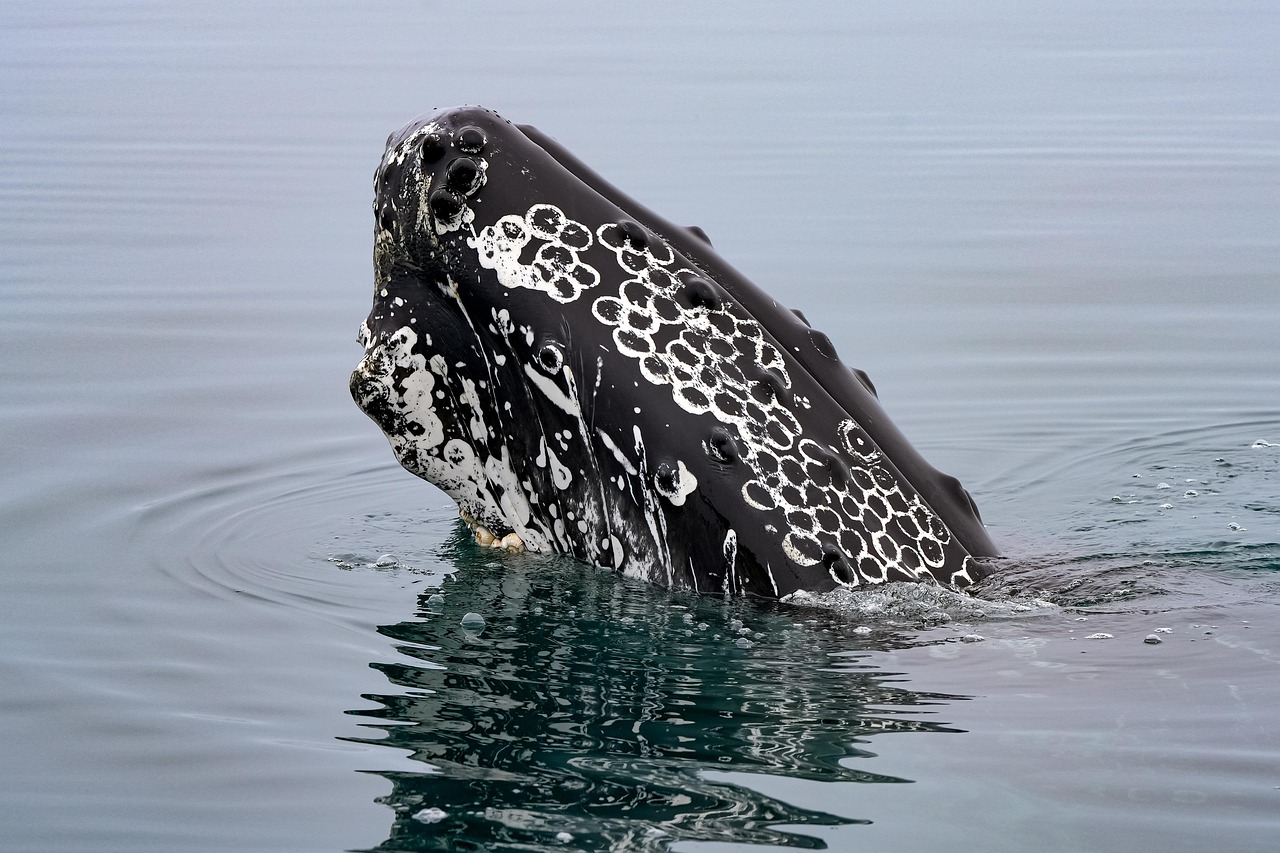
Whale watching in Pico, Azores is one of the most memorable wildlife experiences in Europe. This volcanic island sits in the middle of the North Atlantic, right on a migration corridor used by more than 24 species of whales and dolphins. If you are planning to visit Pico Island, a boat trip from Madalena is one of the experiences you should seriously consider adding to your itinerary.
Why Pico is one of the best places for whale watching in the Azores
Pico’s underwater geography explains why sightings are so frequent. The island rises steeply from the ocean floor, creating very deep waters close to the coast. These conditions concentrate nutrients and marine life, attracting sperm whales, dolphins and migratory whales. Many whale watching tours in Pico report sighting success rates of around 90%, which is exceptional compared with many other destinations.
The Azores transformed their former whaling tradition, active until 1987, into a model based on sustainable tourism and marine research. The waters around the archipelago are one of the richest feeding areas in the North Atlantic, especially for squid, the main prey of sperm whales. The International Whaling Commission recognizes responsible whale watching as an important tool for conservation when it is managed correctly.
Species you can see on a whale watching tour in Pico
Pico is especially interesting because both resident and migratory species can be seen around the island. These are the most common species visitors may encounter during a tour:
- Sperm whale (Physeter macrocephalus): present in Azorean waters all year. It is the most iconic species in Pico and can be seen alone or in groups of females with calves.
- Humpback whale (Megaptera novaeangliae): usually seen during migration, especially from spring to early autumn. Known for spectacular breaching behavior.
- Blue whale (Balaenoptera musculus): an occasional spring visitor and the largest animal on Earth.
- Bottlenose dolphin (Tursiops truncatus): present throughout the year and often seen near boats.
- Common dolphin (Delphinus delphis): frequently moves in large groups, sometimes with hundreds of individuals.
- Short-finned pilot whale (Globicephala macrorhynchus): social, family-based groups that are often easy to observe.
- Orca (Orcinus orca): occasional sightings, mainly in spring.

Best season for whale watching in Pico, Azores
The best overall season for whale watching in the Azores is from April to October. July and August usually bring calmer seas, which is useful for families and first-time visitors. If your dream is to see migratory whales such as humpbacks or blue whales, spring is especially interesting. Sperm whales, however, can be seen around Pico throughout the year.
| Month | Sea conditions | Most likely species |
|---|---|---|
| March-April | Sometimes choppy | Humpback whale, sperm whale, occasional blue whale |
| May-June | Good conditions | Sperm whale, dolphins, blue whale |
| July-August | Usually calm and stable | Sperm whale, pilot whale, dolphins, humpback whale |
| September-October | Very good conditions | Sperm whale, dolphins, returning migratory whales |
How to book a whale watching tour in Pico
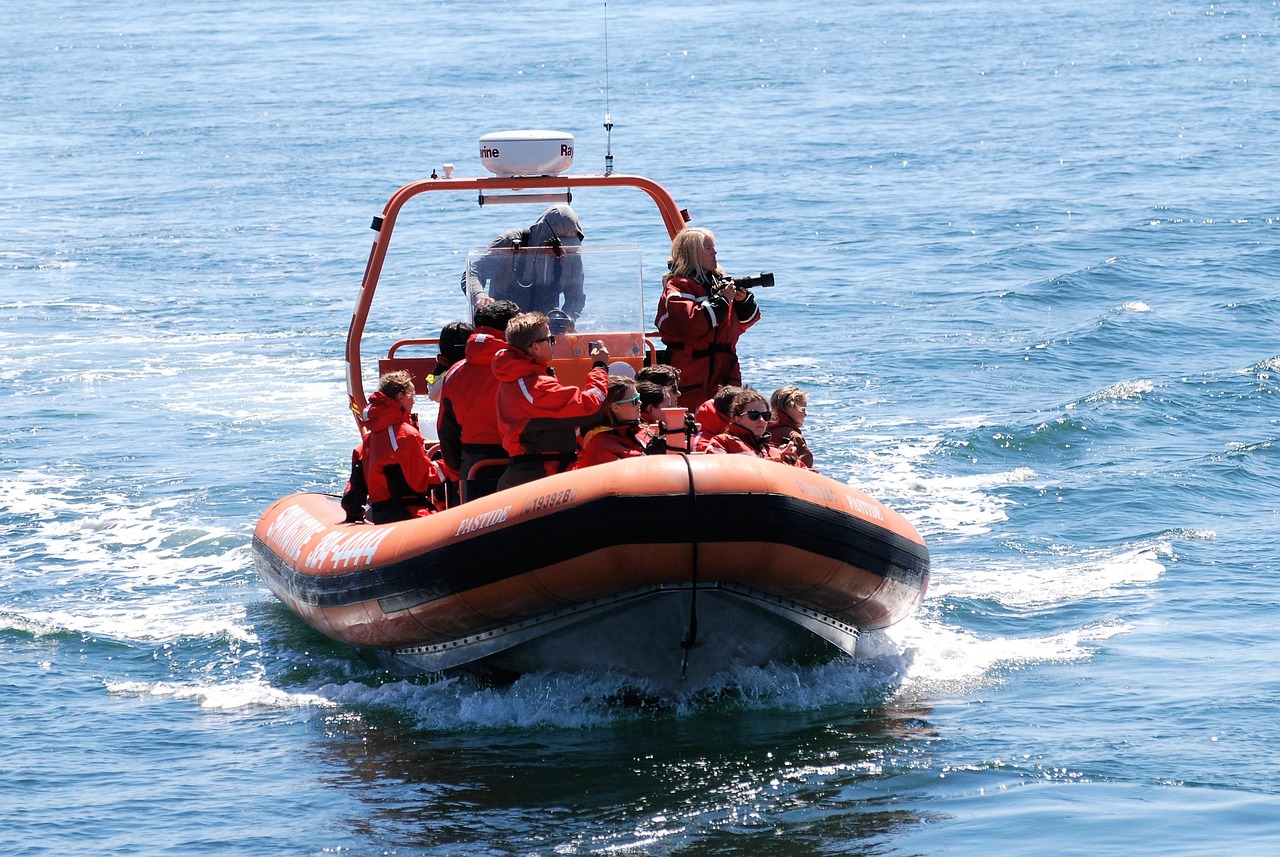
Most tours depart from the port of Madalena and last between 3 and 4 hours. Prices usually range from 55 to 75 euros per person, depending on the operator, boat type and season. In July and August, places can sell out days in advance, so it is better to book early if whale watching is one of your priorities.
One of the reasons Pico has such a high success rate is the use of land-based lookouts known as vigias, a tradition inherited from the island’s whaling past. These lookouts scan the sea from elevated points and radio the position of whales and dolphins to the boats. Certified operators also follow strict rules: safe approach distances, reduced speed near animals and limited observation time to avoid disturbing natural behavior.
🐋 Book your whale watching tour in Pico
Pico is one of the best islands in the Azores to see sperm whales, dolphins and migratory whales in the wild. Tours are popular in high season, so booking ahead is strongly recommended.
Practical tips for whale watching in Pico
- Bring a light jacket: even in summer, the wind at sea can feel cold. A waterproof layer is useful.
- Prepare for motion sickness: if you are sensitive to boats, take preventive medication and eat lightly before departure.
- Use a zoom lens: whales can sometimes come close, but a moving boat makes phone photos difficult.
- Wear sun protection: reflection from the sea is strong. Use SPF 50, sunglasses and a cap.
- Book online in advance: in July and August, the best tours can fill up well before the departure date.
How to get to Pico for whale watching
Pico Airport (PIX) receives direct flights from Lisbon with SATA/Azores Airlines and inter-island connections from Sao Miguel. Another common route is to fly to Faial and take the ferry from Horta to Madalena, which takes around 30 minutes. Once you are on the island, most whale watching tours in Pico operate from the port of Madalena.
Whale watching combines very well with the Mount Pico hike, wine tourism in the UNESCO vineyards of Pico and scenic drives around the volcanic coastline. If you have several days on the island, renting a car makes it much easier to connect the port, viewpoints, vineyards and natural pools.
🚗 Need a car in Pico?
Pico has viewpoints, ports, volcanic vineyards and coastal stops spread around the island. To combine whale watching in Pico with the rest of the island, a rental car is the most flexible option.
🏡 Where to stay in Pico
For whale watching, Madalena is the most practical base: you will be close to the port, restaurants and ferry connections with Faial. For a quieter stay, look for rural accommodation among vineyards or near the coast.
FAQ about whale watching in Pico, Azores
Is a whale sighting guaranteed?
No wildlife tour can guarantee sightings 100%, but the success rate for whale watching in Pico is usually very high. Many operators offer a second trip or recovery option if no cetaceans are seen, although conditions vary by company.
Can you do whale watching in Pico with children?
Yes, many tours accept children, often from around 6 years old. For families, the best option is to choose a day with calm seas, bring warm layers and prepare for possible motion sickness.
How long does a whale watching tour last?
Most tours last between 3 and 4 hours. Some operators also offer longer half-day trips or combined experiences. Pico is one of the best islands to see whales in the Azores because the deep water is so close to the coast.
How much does whale watching in Pico cost?
A typical whale watching tour in Pico costs around 55 to 75 euros per adult. Children often receive a discount. The price normally includes safety equipment, briefing and cancellation rules in case the sea conditions are not suitable.
Seeing a humpback whale breach, watching dolphins ride the waves beside the boat or spotting the tail of a sperm whale before it dives is the kind of moment that stays with you. That is why whale watching in Pico, Azores belongs on the shortlist of the most powerful nature experiences in the archipelago.
Planning your trip to Pico?
Book popular tours early, compare car rental prices and choose a convenient base so you can enjoy Pico without losing time during the trip.
Keep planning your trip to the Azores
The Azores offer much more than whale watching. Explore other hikes, viewpoints, volcanoes, hot springs and coastal experiences across the islands:
Each island has its own personality. Choose the one that interests you most and keep planning your route through the archipelago: