

Piri-piri sauce is one of the best-known hot condiments in Portuguese cooking. It commonly accompanies grilled chicken, fish, seafood and sandwiches, but both its ingredients and intensity vary considerably. You can encounter it in Azorean restaurants and cafés, although it should not be confused with pimenta da terra, a product with a much more specific connection to the islands.
The essentials: piri-piri can refer to the chilli and to the sauce made with it. There is no single recipe: versions may include oil, vinegar or lemon, garlic, salt and other spices. Its culinary history is Afro-Portuguese and reflects the movement of chillies and food traditions between continents.
On São Miguel, pimenta da terra is a different local reference. It can be intense and hot, but its preparation, uses and cultural meaning are not identical to those of a generic bottle of piri-piri sauce.
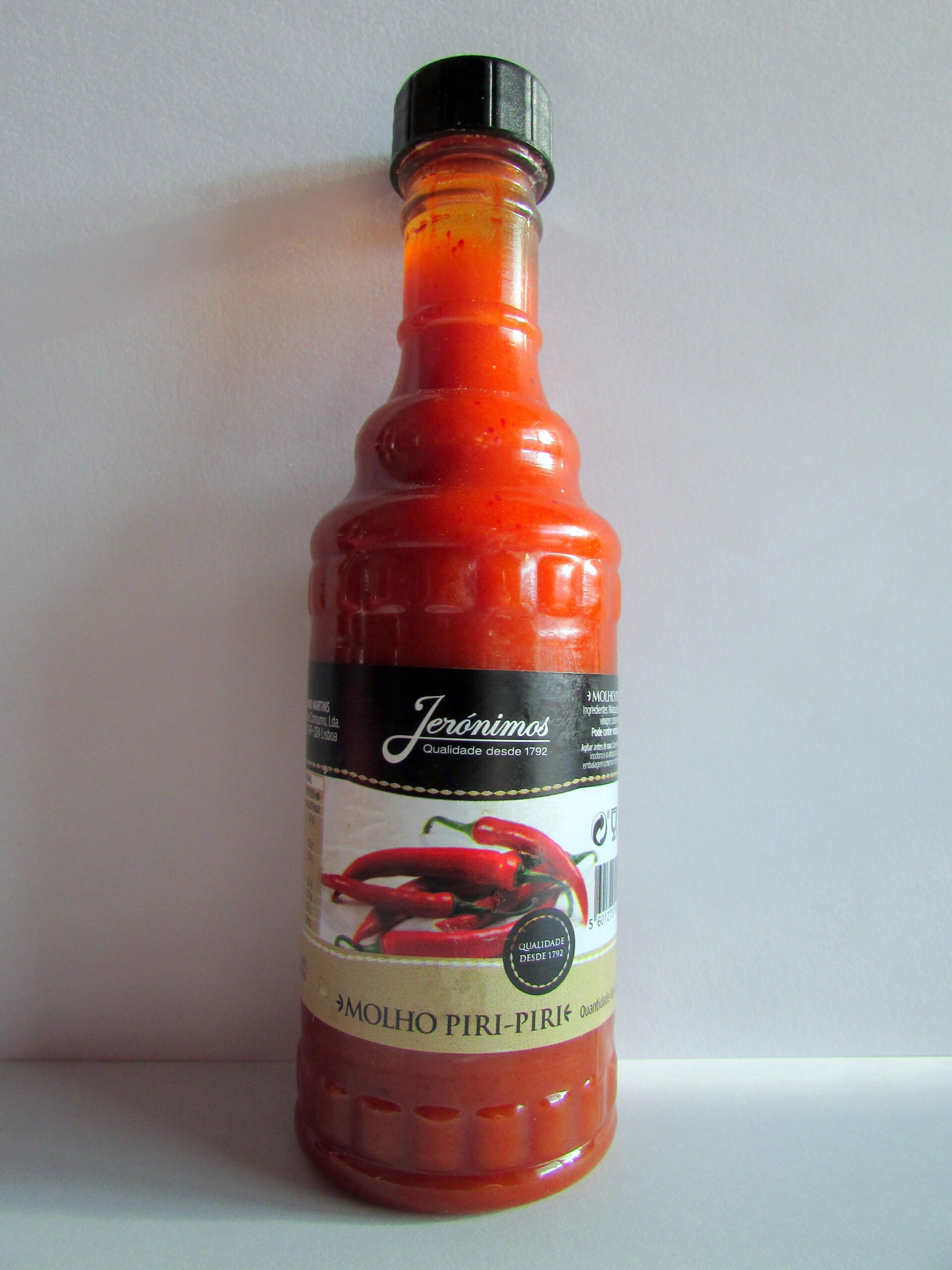
What is piri-piri?
The term piri-piri is used for small hot chillies and, by extension, for sauces made with them. At a Portuguese table, asking for piri-piri usually means that you want a sauce or condiment to add heat to your food. The spelling piripíri is also accepted in Portuguese, although the hyphenated form is especially common on menus and labels.
There is no fixed formula. Some sauces are thin and sharply vinegary, while others contain more oil, garlic, lemon or spices. Their colour ranges from orange to dark red. There is no universal heat scale across brands either: two bottles that look similar can taste dramatically different.
VisitPortugal associates the condiment particularly with grilled chicken and also recommends chilli sauce with grilled fish. In practice, it is used with seafood, pork, potatoes and sandwiches as well. The sensible approach is to add a few drops, taste and then decide whether the dish needs more.
A history between Africa and Portugal
Chillies belong to the genus Capsicum and originally came from the Americas. Their expansion through Africa, Asia and Europe was connected to early modern maritime routes. In Portuguese-speaking African territories, especially Mozambique, names and culinary uses developed that later became part of Portuguese food and of communities connected through migration and exchange.
It is therefore more accurate to describe an Afro-Portuguese history than to assign the modern sauce to one place or one inventor. Contemporary piri-piri brings together American ingredients, African adaptations and Portuguese cooking habits. Restaurants, households and commercial producers interpret that heritage in different ways.
This shared history explains why piri-piri appears in Portuguese churrasqueiras as well as in Mozambican, Angolan and South African cuisines and in Portuguese communities abroad. A common name does not mean that all of those sauces taste alike.
Piri-piri and pimenta da terra are not the same
Travellers in the Azores will encounter another important reference: pimenta da terra. Taste Azores describes it as a red chilli with an intense, hot flavour, used especially on São Miguel. It can be sold whole or ground with salt, in vinegar, blended with piri-piri or even preserved in syrup. Production retains an artisanal character.
Pimenta da terra is used as a seasoning, with fresh cheese or boiled potatoes, in sausages and to finish certain dishes. It is therefore a more specifically Azorean product than a commercial bottle of piri-piri. Finding both on the same table does not make the two names interchangeable.
| Piri-piri | Pimenta da terra | |
|---|---|---|
| What it is | A chilli and the name of many different hot sauces. | An Azorean red-chilli preparation, strongly associated with São Miguel. |
| Texture | From thin and liquid to thicker sauces. | May be a salted paste, a whole chilli, a vinegar preparation or another preserve. |
| Common uses | Chicken, fish, seafood, pork and sandwiches. | Fresh cheese, potatoes, sausages, stews and table seasoning. |
| Identity | Afro-Portuguese and internationally widespread. | Distinctly Azorean. |
How piri-piri sauce is made
A homemade version usually starts with chillies, an acidic ingredient and some form of fat. The acidity may come from vinegar or lemon; oil rounds out the flavour; garlic and salt add depth. Bay leaf, paprika and other spices appear in some recipes. The proportions determine whether the result is bright and sharp, richer or extremely hot.
None of these combinations should be presented as the only “authentic” one. Variety is part of the tradition. Even frango piri-piri may be prepared by marinating the chicken, brushing sauce over it during grilling or serving the condiment separately. In many restaurants, the diner controls how much to add.
Safety tip: wear gloves when handling very hot chillies, keep your hands away from your eyes and wash knives and boards carefully. Capsaicin can remain on skin and surfaces even when no pieces of chilli are visible.
How to try piri-piri in the Azores
Treat piri-piri as one part of the wider Azorean table rather than a dish by itself. Compare it with the communal tradition behind Holy Spirit soups, the geothermal cooking of cozido das Furnas and the sweet-savoury pairing of São Miguel pineapple and morcela.
Look for churrasqueiras, fish restaurants and everyday Portuguese eateries. Ask whether the sauce is homemade and how hot it is. A house sauce can be considerably stronger than a familiar commercial brand. If your tolerance is limited, request it on the side.
Piri-piri pairs naturally with a Portuguese bifana, but the sauce should not completely hide the flavour of the pork. A few drops can bring contrast to fish and limpets; too much will erase the nuances of delicate seafood. There is no prize for enduring maximum heat. The purpose is to make the food more enjoyable.
For something more directly tied to the islands, try pimenta da terra with fresh cheese or potatoes. A broader Azorean food route can also include São Jorge cheese and volcanic Pico wine. They are very different products, but together they show the range of Azorean and Portuguese food culture.
What to check before buying a bottle
Read the ingredient list and storage instructions. Some sauces put chillies and vinegar first; others contain more oil, sugar or salt. A very hot bottle may last for a long time because it is used in small amounts, but it still needs to be stored as the producer directs after opening.
If you want a souvenir from the Azores, check that the product was actually made in the archipelago. A bottle bought on São Miguel is not automatically Azorean. The label should identify the producer, place of manufacture and ingredients. A clearly labelled artisanal pimenta da terra may be a more representative local purchase.
Frequently asked questions about piri-piri
Is piri-piri Portuguese or African?
Its history is Afro-Portuguese. Chillies came from the Americas, adapted to African food cultures and became part of Portuguese and African cuisines connected over several centuries.
Do piri-piri and piripíri mean the same thing?
Yes. Both spellings appear in Portuguese. The hyphenated form is particularly common on international menus and labels.
Is piri-piri sauce always extremely hot?
No. Heat depends on the type and amount of chilli and on the proportion of oil, vinegar and other ingredients. Begin with a few drops.
Is pimenta da terra the same as piri-piri?
No. Pimenta da terra is an Azorean red-chilli preparation strongly associated with São Miguel, with its own formats and culinary uses.
Which foods are served with piri-piri?
It is famous with grilled chicken but is also used with fish, seafood, pork, potatoes and sandwiches such as the bifana.
Where can I buy a genuinely Azorean chilli product?
Try regional-product shops, markets and clearly identified producers. Check the label to confirm that the product was made in the Azores rather than merely sold there.
Editorial review: July 2026. Piri-piri sauce and Azorean pimenta da terra have been deliberately distinguished to avoid presenting two related but different traditions as identical.
Sources: VisitPortugal, Taste Azores and research from the Centre for Social Studies at the University of Coimbra. Photographs: Kolforn, CC BY-SA 4.0 and Kolforn, CC BY-SA 4.0.
Original editorial content by Visitar Azores. Unauthorised reproduction is not permitted.