
Car rental in the Azores is usually the most practical way to make the trip work. Viewpoints, crater lakes, natural pools and rural roads are spread across each island, while the weather changes quickly enough to make a flexible route genuinely useful. This guide compares the islands, explains the insurance terms that matter and describes what driving here is actually like.
Quick answer: a rental car is highly recommended on São Miguel, Terceira, Pico, Faial, São Jorge, Santa Maria and Flores if you want to explore beyond the main towns. Book early, choose a compact car and compare the final price including insurance, excess, deposit, fuel policy and mileage.
Do you need a car in the Azores?
There is no single answer for all nine islands. You can walk around Ponta Delgada, Angra do Heroísmo and Horta for part of your stay. The landscapes that justify the journey, however, usually sit outside those centres, and public transport is not designed as a sightseeing network between viewpoints.
Where a car makes the biggest difference
On São Miguel, a car lets you swap Sete Cidades for Furnas or Nordeste when fog covers one area. On Pico it is valuable for linking Madalena, the vineyards, Lajes and São Roque. On Flores, São Jorge and Santa Maria, limited buses and scattered sights make driving the flexible option.
Where you can manage without one
You can plan a few car-free days if you stay in a useful town, book tours and accept taxis or transfers. Our guide to the Azores without a car explains the best bases. Corvo is the clearest exception: it is small and visitors rarely need to rent a vehicle.
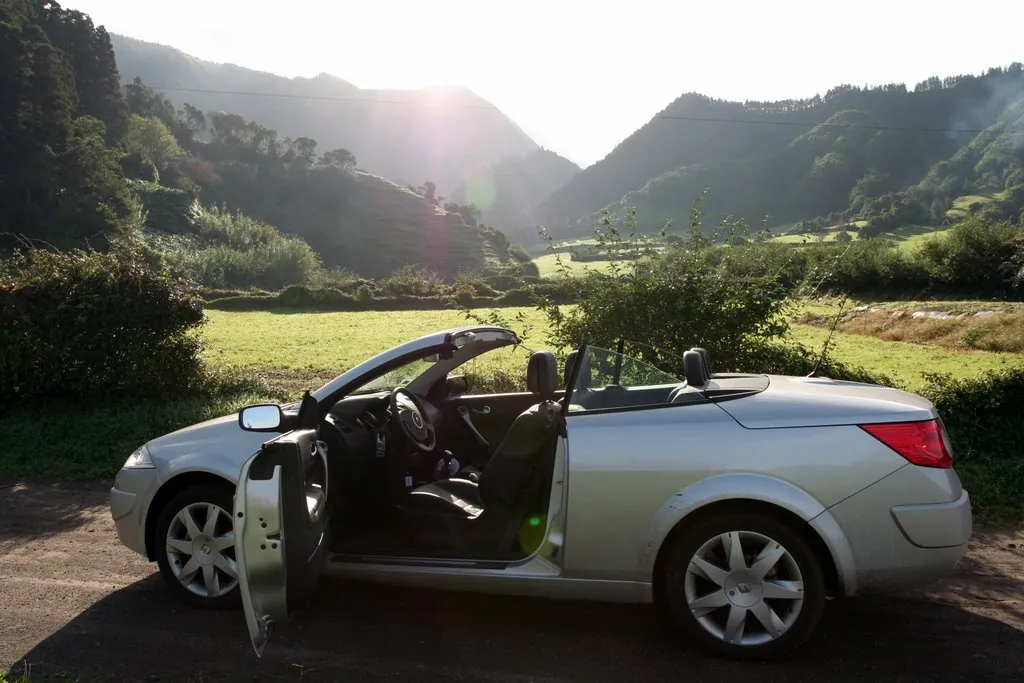
How much car rental costs, island by island
Price is driven more by availability than mileage. In quieter months, a compact may start in a broad planning range of €25 to €45 per day on the larger islands. In summer or at short notice, €60 to €100 or more is common. Smaller islands have fewer cars, so a short driving distance does not guarantee a low rate.
This table is not a fixed quote. It shows where supply becomes tight and opens the relevant comparison for each island.
| Island | Typical availability | Booking advice | Compare |
|---|---|---|---|
| São Miguel | Largest supply | Book early from June to September | Cars in Ponta Delgada |
| Terceira | Good supply | Lajes airport is usually most convenient | Cars on Terceira |
| Pico | Limited in peak season | Check Madalena and the airport | Cars on Pico |
| Faial | Medium supply | Horta is walkable; the island is not | Cars on Faial |
| São Jorge | Small fleet | Reserve before finalising activities | Cars on São Jorge |
| Santa Maria | Small fleet | Do not wait until arrival | Cars on Santa Maria |
| Flores | Very limited in summer | One of the first islands to sell out | Cars on Flores |
Where to rent: comparison platforms and local agencies
DiscoverCars is the most useful starting point for comparing companies, terms and car categories in one search. Do not stop at the headline figure: open each offer and compare the total price, excess, deposit and fuel policy.
Autatlantis, Ilha Verde and Rent-a-Car Ilhas are established local names and may offer more personal assistance or a convenient office. That local service can be valuable, although their rates are generally not the cheapest against a broad comparison. The Regional Government’s official rent-a-car register is a useful place to check authorised operators.
Check suppliers, terms and live availability in one search.
Insurance, excess and deposit: what to check
The cheapest cover does not always leave you with the least risk. The excess is the maximum amount that may remain your responsibility for covered damage. The deposit is the amount temporarily blocked on the card. They are different, and both should appear in the conditions.
- Glass, tyres and underbody: check whether they are included.
- Accepted card: confirm whether a physical credit card in the main driver’s name is required.
- Existing damage: film the complete car at collection, including wheels, glass and fuel level.
- Roadside assistance: check what happens after a puncture or breakdown away from the office.
- Fuel policy: full-to-full is usually easiest to control.
Collecting the car at the airport
Airport collection and return save transfers and usually fit flight times best. Some companies have a desk in the terminal; others operate from a nearby car park with a shuttle or arranged handover. Read that distinction before landing, especially after a late flight.
When combining islands, do not assume the rental car can travel on the ferry. Return one car and reserve another on the next island unless the contract explicitly says otherwise. Our guide to travel between the Azores islands helps align flights, ferries and collection times.
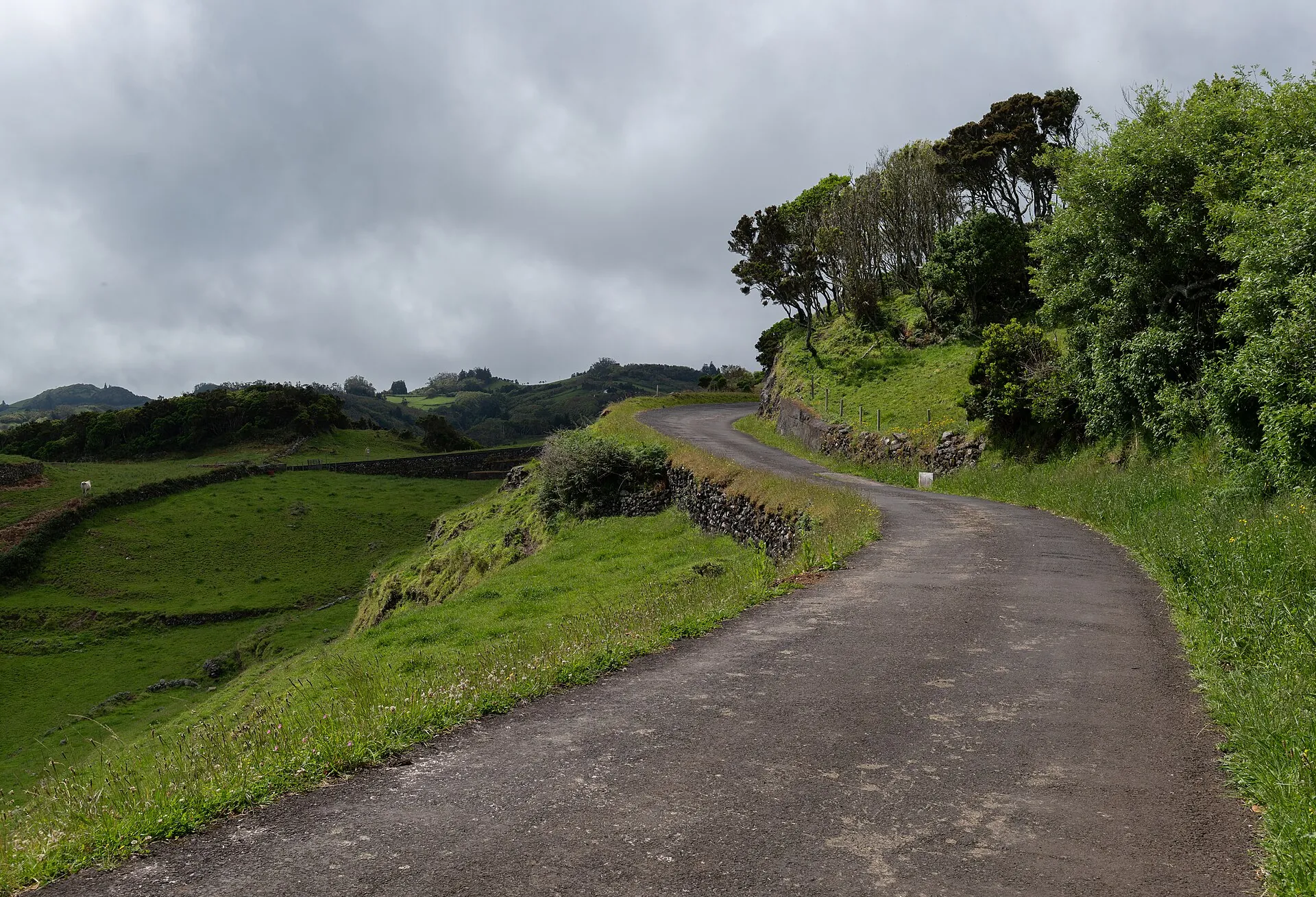
Driving in the Azores: what visitors are rarely told
Traffic drives on the right and Portuguese rules apply. The official tourism portal confirms that seat belts are compulsory, phones require hands-free equipment and the general blood-alcohol limit is 0.5 g/l. The real difference, however, lies in the landscape and weather.
Fog
Fog can arrive within minutes on high ground. Slow down, use the correct lights and do not chase a covered viewpoint when another part of the island is clear. Flexibility is the main benefit of having a car. On São Miguel, use the São Miguel GPS map to group stops by area.
Narrow roads and cattle
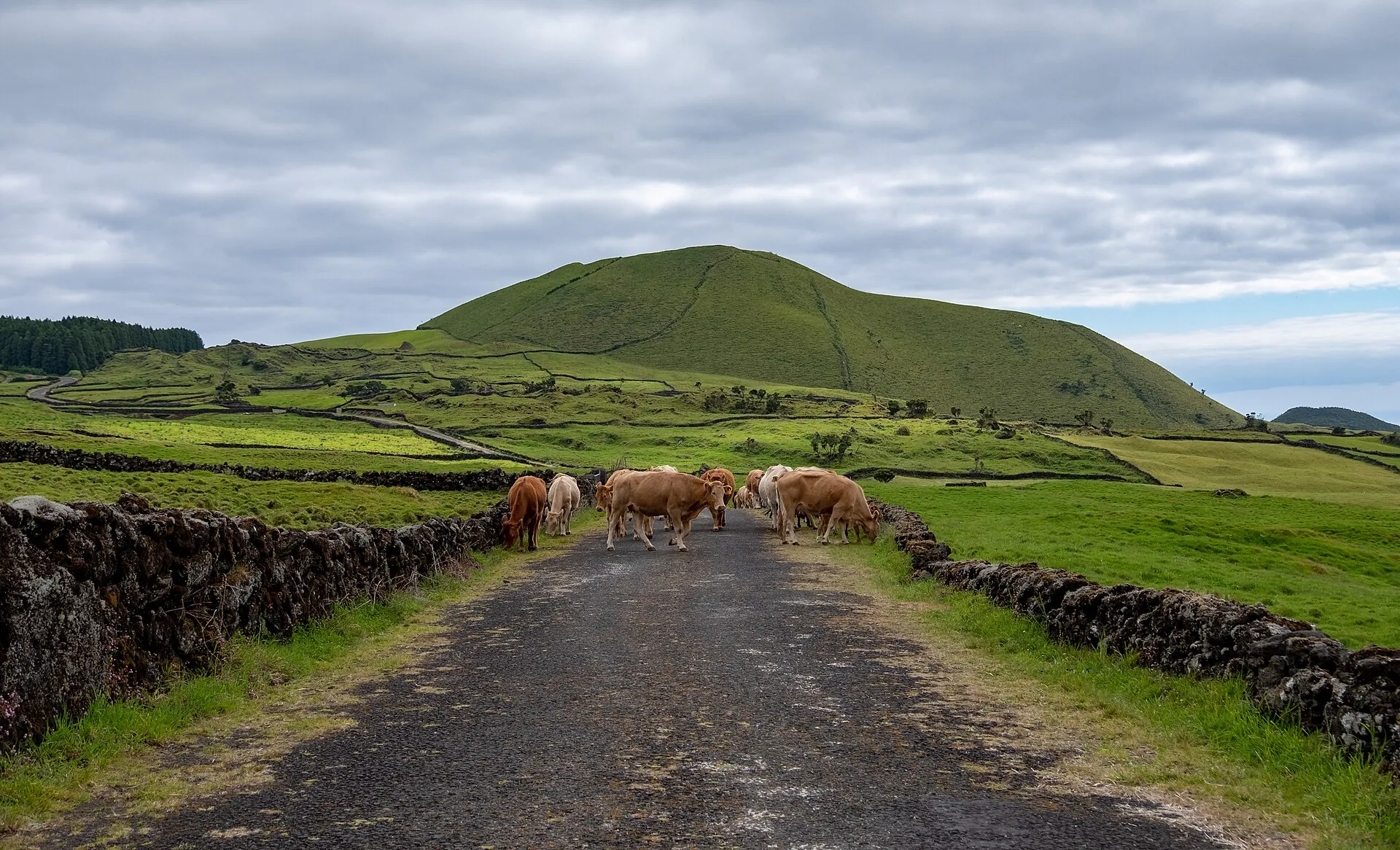
Main roads are straightforward, but rural lanes can narrow between stone walls, farm gates and blind bends. Cattle may also be moved between pastures. Leave room, avoid the horn and wait for the farmer to show you when to pass.
Fuel stations on smaller islands
São Miguel and Terceira have ample coverage. On smaller islands, refuel before the end of the day and do not assume every station keeps the same hours or offers night service. Fill up before a long route if the gauge is below half.
A compact car is enough for most couples and easier to park or pass on narrow lanes. Book an automatic only when you need it: fewer are available and they sell out earlier. For an island-specific comparison, see our guide to car rental on Terceira.
Summer fleets shrink quickly, especially on the smaller islands.
Frequently asked questions about car rental in the Azores
What type of car should you rent?
A compact is sufficient for most routes and easier on narrow roads. Choose a larger vehicle for luggage or comfort, not because you need four-wheel drive.
Do you need a credit card?
Many rates require a physical credit card in the main driver’s name for the deposit. Some accept debit cards under different conditions; verify this before paying.
Can you take a rental car on the ferry?
Do not treat it as the normal option. Many contracts prohibit taking the car off the island or require written permission. Returning it and renting again is usually simpler.
When should you book?
As early as possible for July, August and September. Flores, São Jorge, Pico and Santa Maria have small fleets that may sell out early.
Is driving in the Azores difficult?
Not on the main roads. Rural lanes, fog, steep gradients, cattle and tight urban streets require slower, more attentive driving.