
Pimenta da terra does not need an elaborate introduction: a little on bread or in a stew is enough to understand its character. This chilli-and-salt paste belongs to everyday Azorean cooking, yet you could easily walk past a jar in a shop without knowing what it contains. It is neither ground black pepper nor simply another name for a bottle of piri-piri.
What to look for: a thick chilli paste, traditionally preserved with salt. On São Miguel you may also hear pimenta vermelha, or just pimenta. Start with a small taste: as well as heat, the paste adds salt to your food.
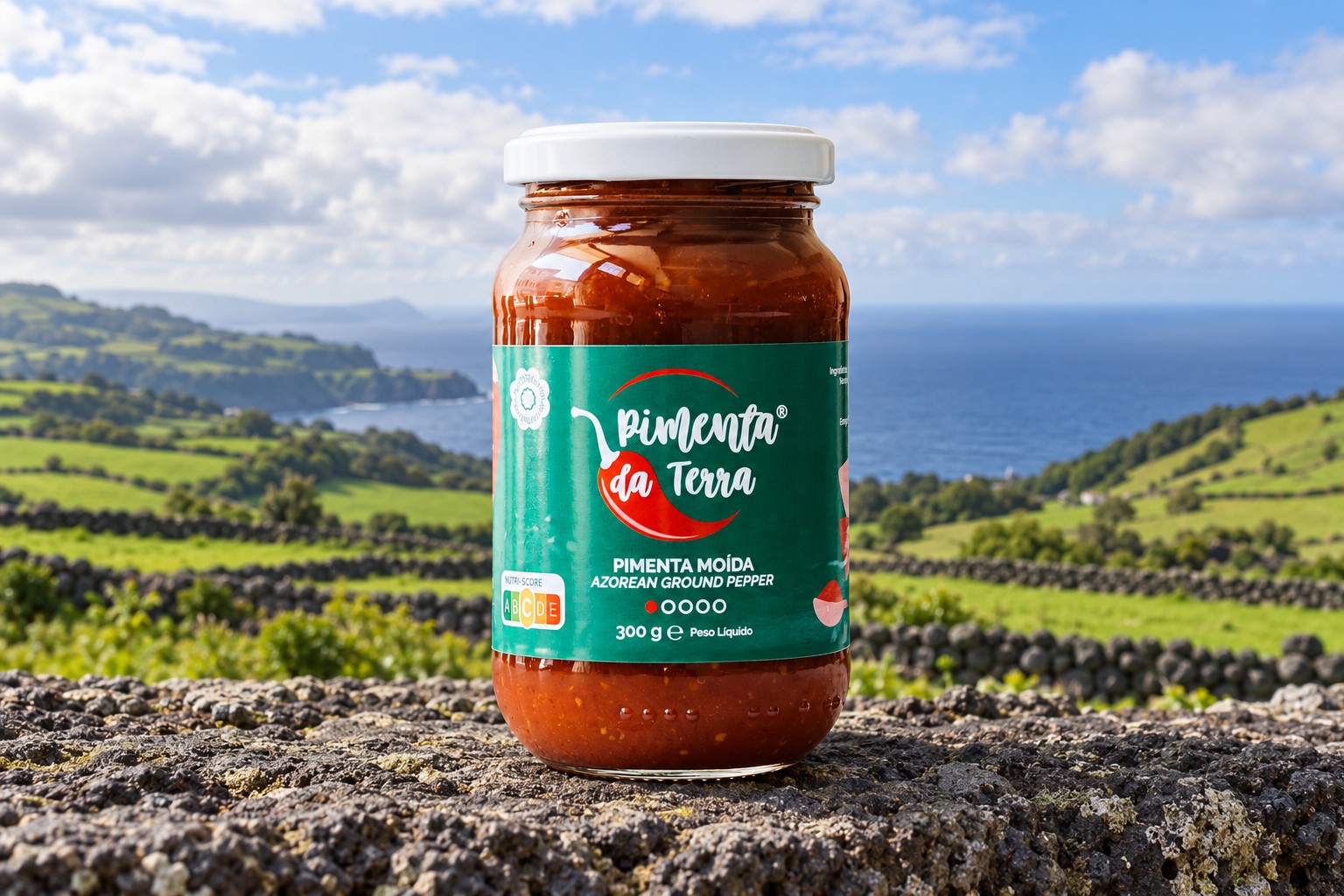
What is pimenta da terra?
It is a condiment made from ground chillies and salt. Its paste-like texture makes it useful within a dish, rather than only as a sauce added at the table. Portugal’s DGADR traditional-products register lists it as pasta de pimenta, with the Azores as its production region.
The entry records the names used on São Miguel: pimenta da terra, pimenta vermelha and pimenta. The peppers belong to the genus Capsicum, of Central American origin. The documented tradition is Azorean, but that does not justify claiming it belongs exclusively to one island or that every household follows an identical recipe.
If a menu simply says “pimenta”, ask what will accompany your food. Context helps more than a literal translation: it could mean a cooking ingredient, paste served separately or another hot condiment. We keep the name pimenta da terra in English because it identifies the product you should look for.
Pimenta da terra or piri-piri? The difference
Piri-piri sauce is familiar throughout Portugal and comes in many versions. It is often more fluid, with oil, vinegar, lemon or other ingredients. The pimenta da terra discussed here is a salt-preserved chilli paste associated with Azorean cooking.
| What to compare | Pimenta da terra | Piri-piri sauce |
|---|---|---|
| Usual texture | Thick paste | Sauce, often more liquid |
| Basic preparation | Ground chillies and salt | Chillies with a base that varies by recipe |
| Practical use | Cooking ingredient or a small accompaniment | Table sauce, marinade or seasoning, depending on the version |
This comparison helps you choose; it is not a rigid boundary followed by every cook and manufacturer. Thick sauces exist, and commercial pastes may contain additional ingredients. Read the label: buying a bottle of piri-piri in the Azores does not automatically make it pimenta da terra.
How it is made: chillies, a mill and an earthenware jar
The traditional method described by DGADR starts with splitting the chillies lengthways and removing their seeds and stalks. They are then ground in a mill reserved for that purpose. The paste is stored with plenty of salt in earthenware containers covered with a cloth. The entry identifies the local varieties gaga and pequena, describing the latter as mildly hot.
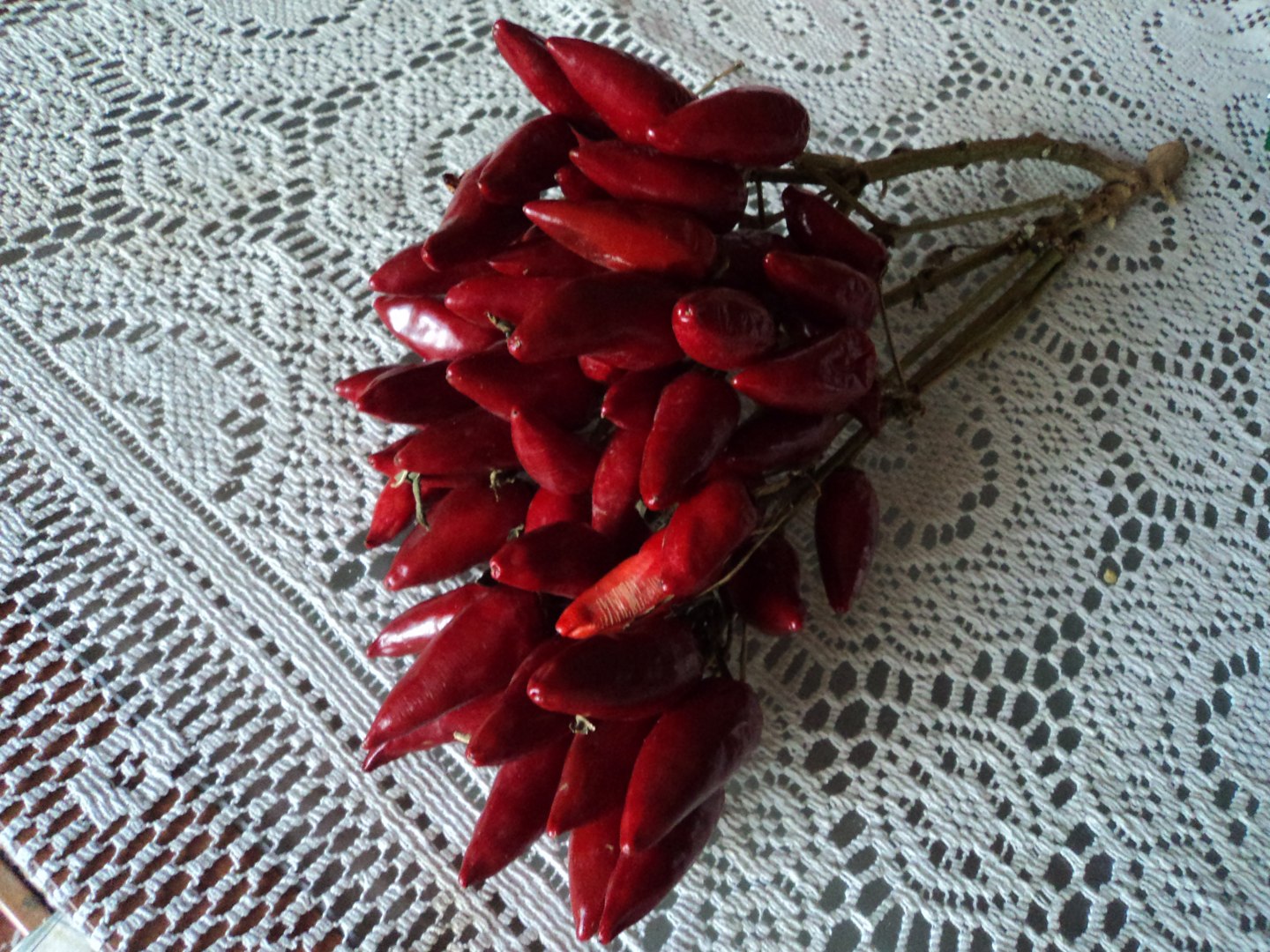
These are the practical steps of a kitchen preparing a supply to use over the following months. The record describes year-round use, but this is not a shelf-life guarantee for any jar. A cultural account of a traditional process is not a home-preserving recipe or a substitute for a safe preparation method.
For a shop-bought product, follow the manufacturer’s instructions on dates, temperature and storage after opening. Do not assume a jar can spend a year outside the fridge because the traditional preparation contained salt. Use a clean utensil and close the container as directed on its packaging.
Pimenta salgada and pé de pimenta
Pimenta salgada is another documented preparation: split, deseeded peppers preserved with salt in earthenware containers. Its texture is not exactly that of an already-ground paste, although it shares the main ingredient and the important role of salt in preparation.
Pé de pimenta uses the smaller peppers, dried in the sun before being ground. These names reveal some of the variety within the tradition. If you encounter them in a market or a conversation, ask how that particular product was prepared and how people normally use it.
Which dishes use pimenta da terra?
The traditional entry links it to stews, fried dishes and soups, as well as pork sausages: morcela, chouriço and linguiça. Rather than looking for one exclusive signature dish, think of a seasoning that becomes part of the overall flavour as the food cooks. The quantity depends on the preparation and the cook.
One of the most telling historical details is also the simplest: poorer households ate it with fish and bread. That describes an everyday ingredient, not a souvenir created only for visitors. Tasting a small portion with uncomplicated food helps explain that connection without needing an elaborate restaurant meal.
To explore other Azorean tables, read about Furnas cozido and Espírito Santo soup. They are separate traditions: linking them here does not mean pimenta da terra is an obligatory ingredient in every version of those dishes or in every celebration.
When tasting: begin with the tip of a teaspoon, taste the food and decide whether to add more. When cooking with the paste, account for its salt before seasoning again. There is no single heat level that applies to every jar.
Pimenta da terra and São Jorge cheese
Cheese offers another way to try the paste without cooking a whole meal. Some commercial versions are explicitly sold as accompaniments to cheese. That does not make all Azorean cheeses the same product, or imply that the paste belongs in the protected recipe of São Jorge cheese.
For a simple tasting, try the cheese on its own first, then a small amount of paste on the side. You can distinguish what each flavour contributes. This is a serving suggestion, not a rule. Azorean pineapple provides another route into local produce, with a very different flavour and history.
Where to buy pimenta da terra in the Azores
Look in regional-produce shops, supermarkets and municipal markets around the islands. In Ponta Delgada, Mercado da Graça is a reference point for local food. Check current access and operating stalls before relying on a particular purchase: not every stall necessarily stocks the same product.

Compare ingredients, not just label design. Chillies and salt form the traditional base; a short list helps identify a straightforward preparation. Some versions include preservatives or additional ingredients. Read and compare those rather than overlooking them because a label says “artisan”. Also check the origin, pack size and instructions after opening.
If you are flying, pastes fall under the security rules for liquids, aerosols and gels. For cabin baggage, use containers of 100 ml or less, inside the transparent bag of up to one litre required by the general rules. Put larger jars in checked baggage. The container’s material is not the deciding factor; check airport and destination rules.
Frequently asked questions about pimenta da terra
Is pimenta da terra the same as piri-piri?
No. Pimenta da terra is a chilli paste traditionally preserved with salt in the Azores. Piri-piri is usually a sauce with a more fluid base, although recipes and commercial products vary.
Is it very hot?
That depends on the variety and preparation. The traditional entry describes the pequena variety as mildly hot. Start with a small amount and taste it; there is no single heat level for every jar.
Does it have protected-origin status?
It has neither PDO nor PGI status. Being documented in Portugal’s traditional-products register is not the same as having a protected designation of origin or protected geographical indication.
Which dishes is it used in?
It is used in stews, fried dishes, soups and pork sausages such as morcela, chouriço and linguiça. The traditional record also describes eating it with fish and bread.
Where can I buy pimenta da terra in the Azores?
Try municipal markets, supermarkets and regional-produce shops. Compare ingredients, origin, quantity and storage instructions. Available brands and preparations vary between shops.
Can I take pimenta da terra on a plane?
Yes, subject to the rules for pastes. Cabin-baggage containers must not exceed 100 ml and must fit in the transparent bag of up to one litre. Pack larger jars in checked baggage and check your destination’s rules.
More flavours of the Azores
Related guides for your next step
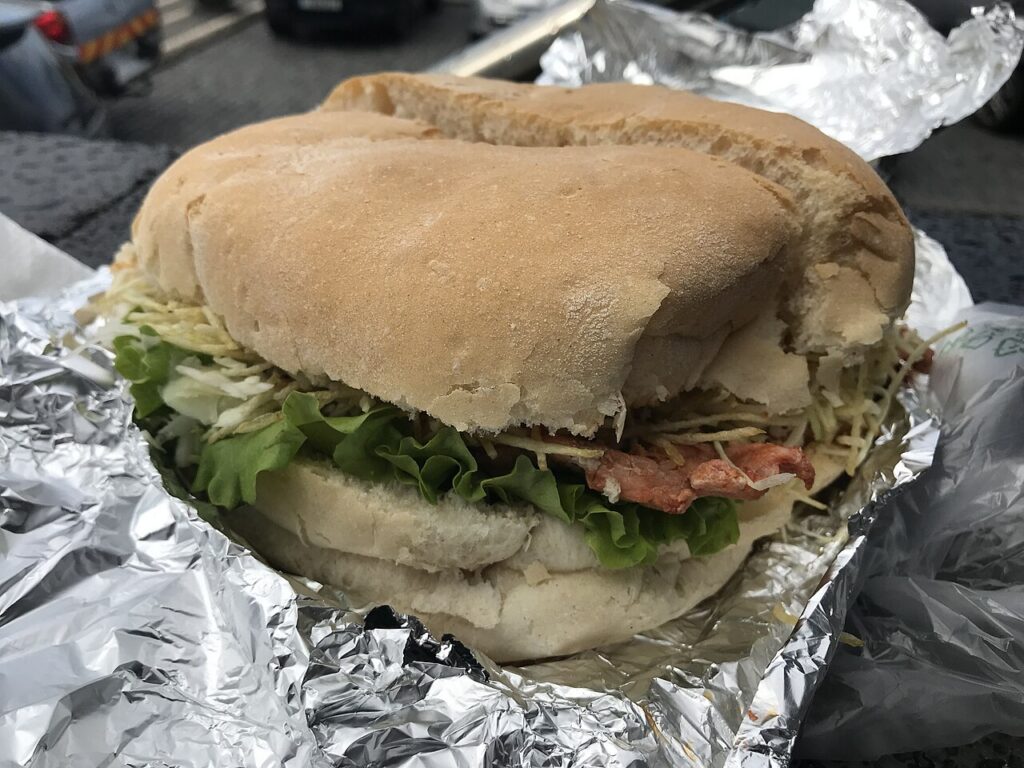
Bifana in the Azores: Portugal’s Pork Sandwich Explained
Learn what a Portuguese bifana is, how to order one in the Azores, regional variations and how it differs from other Portuguese sandwiches.
Discover local food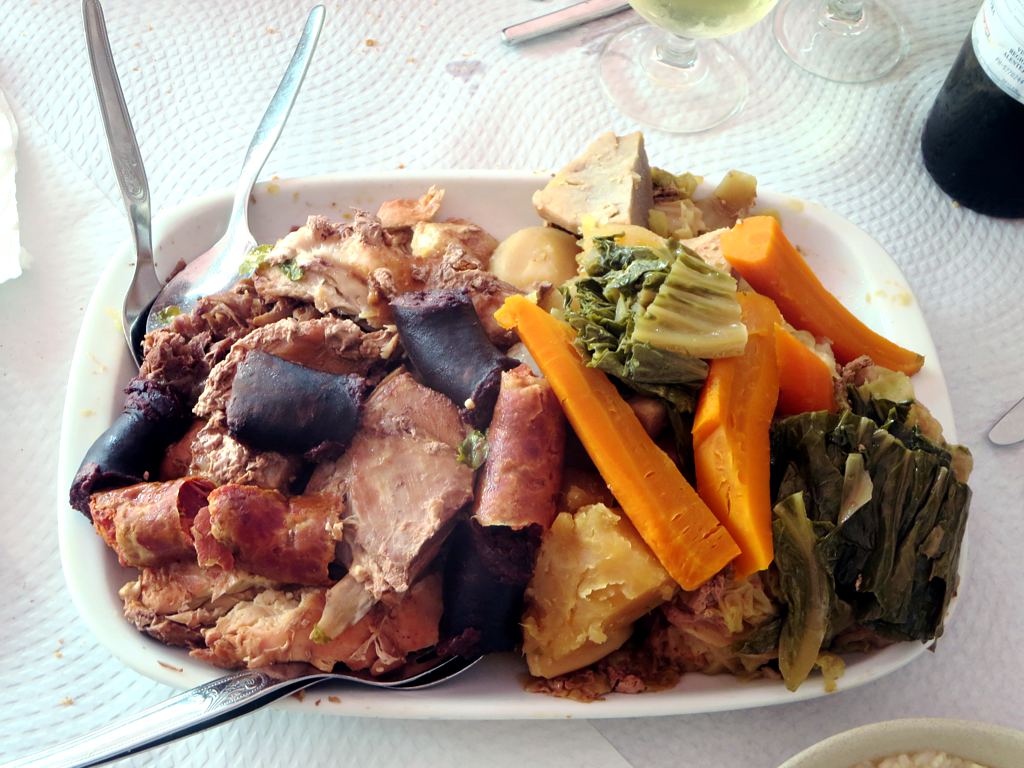
Cozido das Furnas: São Miguel’s Volcanic Stew
Learn how cozido das Furnas is cooked with geothermal heat, what it contains, where to try it and how to plan your visit on…
Discover local food
Holy Spirit Soups in the Azores
Guide to Holy Spirit Soups in the Azores: the Divine Holy Spirit festivities, ingredients, island variations, when to find them and why they matter.
Discover local food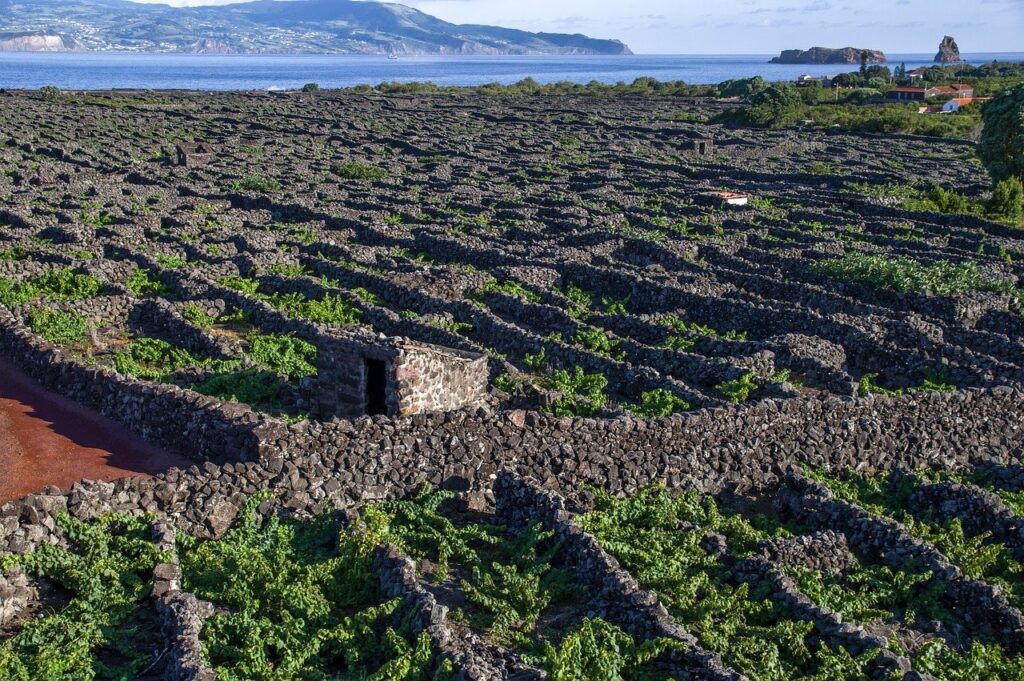
Pico Wine (Azores): UNESCO Vineyards and Wine Tourism on the Island
Pico vineyards are a UNESCO World Heritage Site. Discover why this Atlantic wine landscape is unique and how to plan winery visits and tastings…
Discover local food