
Pico wine in the Azores is one of the best ways to understand the island: vines planted in black volcanic rock, basalt walls beside the Atlantic, small wineries and a farming culture recognised by UNESCO as a World Heritage Site. This is not simply a visit to look at vineyards. It is a route to walk slowly, take in the landscape and taste a glass of wine with the right context.
The essentials: to discover Pico wine, focus your visit on Criação Velha and Madalena, home to some of the island’s most representative vineyard scenery. Allowing half a day gives you time to walk among the currais, visit a winery or join a tasting. Staying near Madalena is a sensible choice if you do not want to drive afterwards.
The experience is much easier if you book ahead in summer, rent a car and leave some flexibility for winery opening times, weather and short journeys along local roads.

What makes Pico wine special
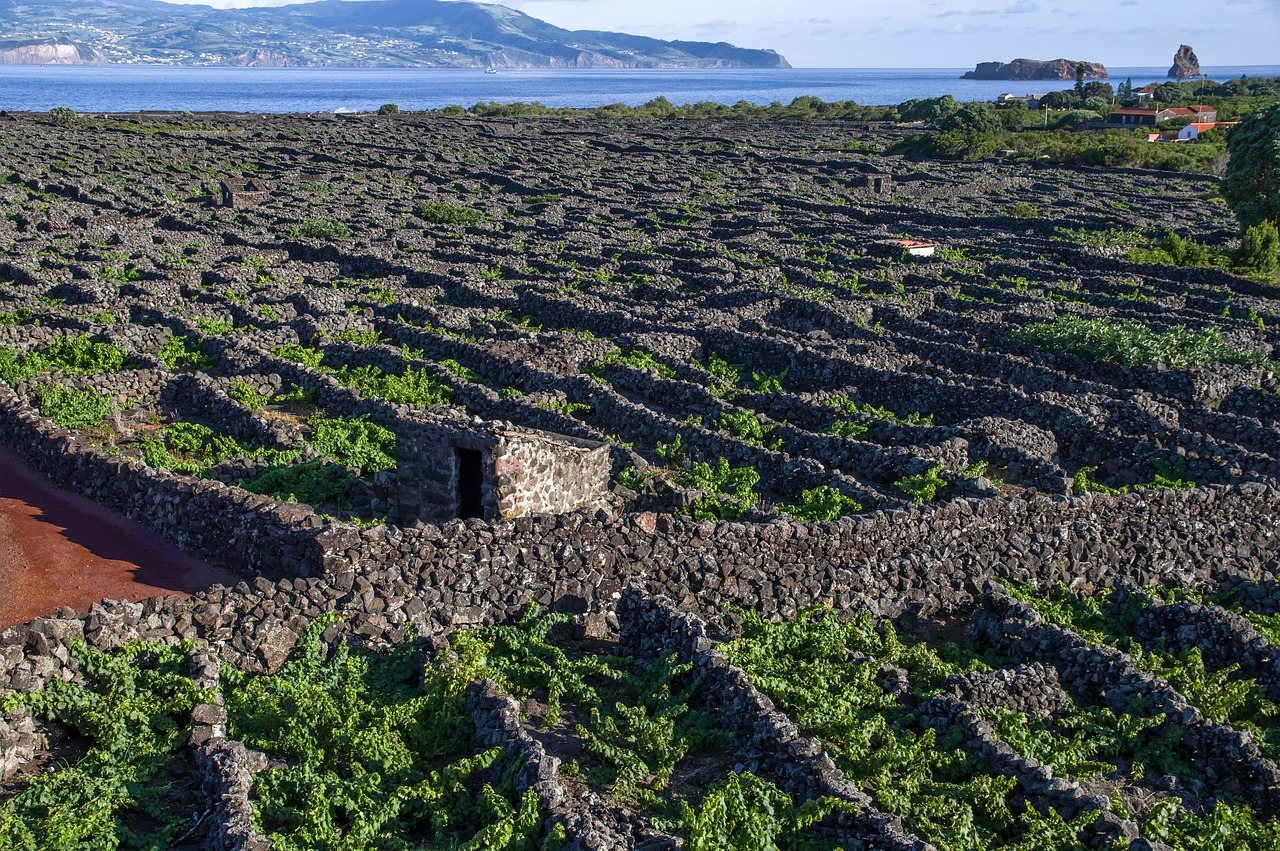
Pico wine comes from conditions that appear distinctly unfriendly to agriculture: volcanic ground, Atlantic wind, salt spray and tiny plots. The local answer was to build thousands of low black-stone walls, known as currais, which shelter the vines and form a unique geometric pattern beside the sea. UNESCO describes this landscape as an exceptional adaptation of winegrowing to a remote volcanic island.
The protected area covers about 987 hectares and preserves agricultural plots, paths, wine cellars, ports and houses connected with a tradition that began in the fifteenth century. For travellers, this creates an extraordinarily visual visit. You do not need to be a wine expert to appreciate why the landscape is so remarkable.
The variety most closely associated with Pico is Verdelho, although today you will also find mineral white wines, fortified wines and small projects with plenty of character. If you enjoy Azorean food, the wine route pairs particularly well with island cheese, fish, limpets, stewed octopus and simple dishes in which the ingredients take centre stage.
Where to see Pico’s UNESCO vineyards
The easiest place to begin is Criação Velha, south of Madalena. Some of the most photogenic walls are concentrated here, and the relationship between lava, ocean and vines quickly becomes clear. Take your time, wear comfortable footwear and stay out of private plots: many are working agricultural areas rather than tourist displays.
Santa Luzia, on the north coast, is another worthwhile area. The landscape changes with the light, wind and season, so do not treat it as a ten-minute photo stop. Pico is at its best when you accept the island’s rhythm: clouds covering the mountain, sudden clear spells, quiet roads and viewpoints where you want to linger.
Practical tip: for better photographs, visit early in the morning or late in the afternoon. Black stone can look very harsh under the midday sun, while side lighting brings out the texture and pattern of the basalt walls.
Wine tastings and wine tourism on Pico
For a Pico wine tasting, the most convenient base is Madalena or the surrounding area. You can visit wineries without turning the afternoon into a race. Some experiences require advance booking and others depend on the season and opening hours, so it is worth confirming before you go, particularly between June and September.
If you are travelling by car, plan the day sensibly: vineyards and viewpoints in the morning, lunch near Madalena, a tasting in the afternoon and a final walk around the harbour. If you intend to sample several wines, avoid following the tasting with a long drive. Pico is not a large island, but distances feel different when the weather changes or fog rolls in.
Stay near Madalena
For a wine-focused route, staying near Madalena removes the rush and gives you more freedom when booking tastings. In summer, the best options fill early, and many offer flexible cancellation when reserved in advance.
Find accommodation on PicoRent a car on Pico
The vineyards, viewpoints and villages are far easier to connect by car. There are fewer rental vehicles than on São Miguel during peak season, so waiting until the last moment limits your choice.
Compare cars in the AzoresExperiences on Pico
If you want to combine wine, the volcano, whales or guided routes, check activities in advance. Some Pico departures have limited capacity, and weather can change schedules.
See experiences on PicoHow to plan a Pico wine route
A straightforward half-day route can begin in Madalena, continue to Criação Velha, stop at the vineyards by the sea, include a winery visit and finish with a tasting. With a full day, add Santa Luzia, a viewpoint towards Faial and a relaxed lunch. Pico does not need an overloaded itinerary; it needs enough space to look around.
If you arrive from Faial by ferry, Madalena is the natural base. Pico Airport is also close to the winegrowing area. In either case, check timetables and reserve your car before travelling during summer, Easter or holiday weekends. The island has charming accommodation, but the supply is not unlimited.
To complete your plans, use our guide to visiting Pico Island and the Pico GPS map. Saving the vineyards, viewpoints and restaurants on your phone before setting off makes the day much easier.
Which Pico wine to try and what to buy
If Pico wines are new to you, begin with a mineral white and ask about wines made with Verdelho. The grape’s history sometimes leads visitors to expect only sweet wines, but the contemporary scene is much broader. You can also find wines with bright acidity, saline notes and very small production runs.
A bottle bought on the island makes a more meaningful souvenir than a generic keepsake. Check baggage rules if you are flying, and never leave wine in a hot car. For an Azorean food gift, Pico wine pairs well with São Jorge cheese, local preserves and simple pantry products.
Frequently asked questions about Pico wine
Where are Pico’s UNESCO vineyards?
The best-known areas are Criação Velha, near Madalena, and Santa Luzia. Both preserve the black-stone currais that protect the vines from wind and salt spray.
How much time should I allow for Pico’s wine landscape?
Allow half a day for a first visit. A full day is better if you want to include a tasting, photographs, a walk and an unhurried meal.
Do wine tastings need to be booked?
Booking is recommended, especially in summer. Some wineries and experiences have limited places and opening hours that vary by season.
What is the best base for wine tourism on Pico?
Madalena is the most convenient base for Criação Velha, the harbour, restaurants and accommodation. It also makes the route simple when arriving from Faial.
Can I visit the vineyards without a car?
You can see part of the landscape from Madalena or join a tour, but a car gives you much more freedom to connect vineyards, viewpoints and wineries.
Which Pico wine should I try?
Ask for volcanic white wines, wines made with Verdelho and small-production local labels. Tasting them on Pico, with the landscape in front of you, is part of the experience.
Keep exploring Pico and the Azores
Plan the island
Save vineyards, viewpoints and villages before setting out on the road.
Open the Pico GPS mapComplete your route
Combine wine with the mountain, coast, local food and volcanic villages.
Pico Island guideEditorial review: this guide was reviewed in July 2026 with a practical focus on planning a real visit to Pico’s vineyards. Opening times, tastings, services and availability may change, so always confirm before travelling.
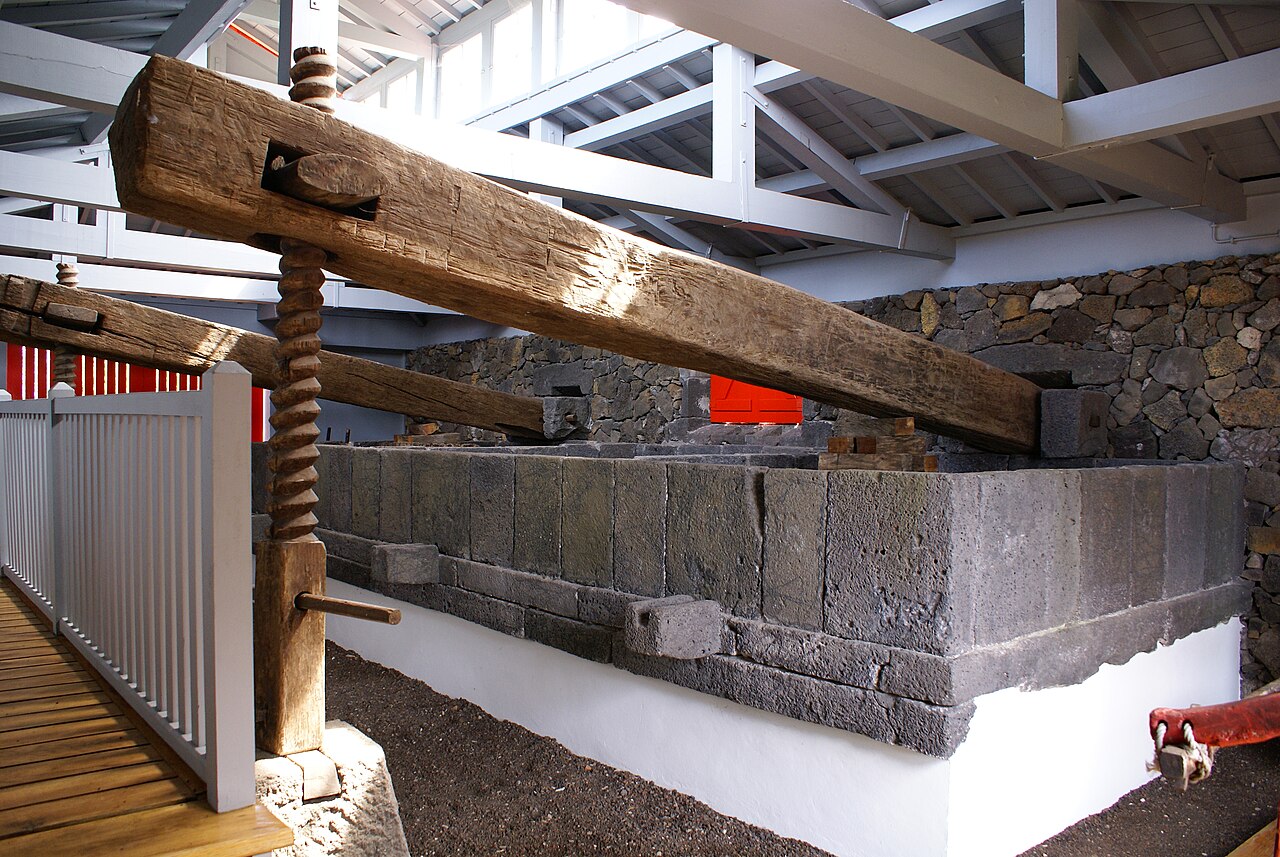
Sources and credits: information was checked against the UNESCO World Heritage Centre entry for the Landscape of the Pico Island Vineyard Culture. Images linked from Wikimedia Commons: Lajido da Criação Velha, vineyard fields in Madalena and Pico Island Cooperative Winery.