

You can visit the Azores without driving, but it does not work in exactly the same way on every island. The key is choosing a useful base, accepting that some places will be reached by tour and not trying to copy a road-trip itinerary. This guide explains where to stay, how to plan five or seven days, what transport to use and when renting a car for only one day may be worthwhile.
Can you visit the Azores without a car?
Yes, especially if you choose São Miguel, Terceira or Faial and stay in a town with restaurants, a port and organised tours. Buses exist, but they do not reach every famous viewpoint, lake and trail with the frequency a visitor needs. Taxis, private transfers and guided tours fill the gaps, although they should be booked with some planning.
The most common mistake is choosing an isolated rural room because it looks beautiful and discovering that every journey needs a taxi. Without a car, location is worth more than a slightly cheaper room. Look for a base within walking distance of a bus stop, restaurant and shop. Compare the main areas in our guide to where to stay in São Miguel.
For a trip around the Azores without a car, always check the current inter-island ferry windows on the Atlânticoline website and flight options with Azores Airlines before fixing your route. Schedules change by season, and a good base can save more time than an extra transfer.
You should also accept a different rhythm. Without your own vehicle you will not see every viewpoint in one day, but you can understand a town better, enjoy a local guide and leave room for the weather.
The easiest first base: Ponta Delgada
Ponta Delgada is the simplest base for a car-free trip. It has an airport nearby, a port, restaurants, supermarkets, taxis and a large choice of tours. The centre is walkable, and many activities collect travellers at central hotels or agreed meeting points.
From there, book tours to Sete Cidades, Furnas, Lagoa do Fogo, Nordeste and the coast. Some last all day, so do not put two major tours in one day. Check what is included: transport, admissions, food, hotel pick-up and the real duration.
For five days, spend the first day in Ponta Delgada, the second at Sete Cidades, the third in Furnas, the fourth on a boat trip or at Lagoa do Fogo, and the fifth on whichever excursion matches the forecast. With seven days, add Nordeste and a free day to return to the area that was hidden by cloud. Compare the wider options in our seven-day Azores itinerary, adapting each transfer to your tour arrangements.
A central Ponta Delgada location reduces taxi costs and makes early tours easier. Check the exact distance to the meeting point and the cancellation policy.
Angra keeps restaurants, culture and evening walks close, while tours cover the island’s more distant sights.
Terceira without a car: Angra as a cultural base
Terceira is comfortable for travellers who want to combine a city with nature. Angra do Heroísmo offers architecture, restaurants, museums, waterfront walks and Monte Brasil. You can spend two days without transport and book a guided island tour for the interior and north coast.
Praia da Vitória can also work, especially if you want a beach, a quieter atmosphere or a particular airport connection. Before choosing, compare where tours start. Not every provider collects visitors in every village.
A five-day stay could include two days in Angra, one island tour, one day for caves and volcanoes and one maritime or relaxed day. With seven days, add Serra do Cume, Biscoitos and a second guided experience if the weather is kind.
Horta makes harbour transfers, restaurants and guided visits much easier without a car.
Faial without a car: Horta and focused tours
Horta is a natural base for a car-free Faial visit. The marina, centre and restaurants are walkable, and organised tours reach the Caldeira and Capelinhos. A taxi can cover one specific journey, while nearby areas can be explored on foot.
Faial combines well with Pico. If you cross by ferry, Horta can be your base for a day trip to Madalena, although several nights on Pico give you more time for vineyards and the coast. Check the timetable before booking the final night because the channel depends on sea conditions. Our guide to travelling between the Azores islands explains the connections and where to check departures.

Flores rewards a slower trip, but a well-placed room and an airport transfer matter more here.
Islands that need more planning without a car
Flores, São Jorge, Pico and the smaller islands can be visited without driving, but they require more organisation. Flores has extraordinary scenery and some tours, although distances are long and public transport is limited. São Jorge is perfect for fajãs, but many trails need a transfer to the start and a collection at the end. Pico can be done with tours, taxis and local services, but the mountain and vineyards are spread out.
This does not mean you should rule them out. It means you should travel with a tour booked, a taxi contact and a well-located room. On less populated islands, ask your accommodation about airport transfers and the return journey from trails.
Choose a base with help for trail transfers, especially when planning a fajã walk.
Madalena keeps ferries, restaurants and island tours within reach for a car-free stay.
How to use tours without losing freedom
A good tour does not have to feel rushed. Look for small groups, an itinerary that explains stop times and local guides who understand the weather. Book one or two major activities and leave the rest for walking, eating and discovering your base independently.
Boat trips, whale watching, volcanic routes and some hikes are especially useful without a car because transport and activity are solved together. Confirm the meeting point, start time and weather cancellation policy.
Choose tours that solve the awkward part of the day: transfers, weather decisions and places that buses do not reach easily.

>
Bus or taxi?
Buses can be useful between towns, but check current timetables and do not assume that they serve the best-known attractions. Use them from a strong base and combine them with a taxi when the last section is difficult.
A taxi is useful for one viewpoint, a late arrival or a trail with a different start and finish. Ask the price before leaving and agree on a return collection when needed. In high season, booking is better than hoping to find a taxi at the end of a walk.
Ask your accommodation for precise arrival instructions. A place name may include several rural areas, and the map pin is not always the entrance. Save the address offline and keep the accommodation’s telephone number.
Renting a car for one or two days
An intermediate solution is travelling without a car and renting one for a specific route. This can work on São Miguel for Nordeste or on Terceira when several coastal places need to be combined. Calculate the full rental, fuel, insurance and parking cost against the price of a guided tour. Our guide to car rental in the Azores compares those costs and the booking conditions worth checking.
Do not rent a car because you feel pressured if you are not comfortable driving in fog, on steep roads or on narrow lanes. A good tour may be more relaxing. If you rent, collect in the morning, photograph the bodywork, check the fuel and return the vehicle with time to spare.
This can be useful for one specific area, but compare the full cost with a tour and check collection and return times.
A five-day car-free São Miguel itinerary
- Day 1: Ponta Delgada, market, historic centre and waterfront.
- Day 2: Sete Cidades and the west coast by organised tour.
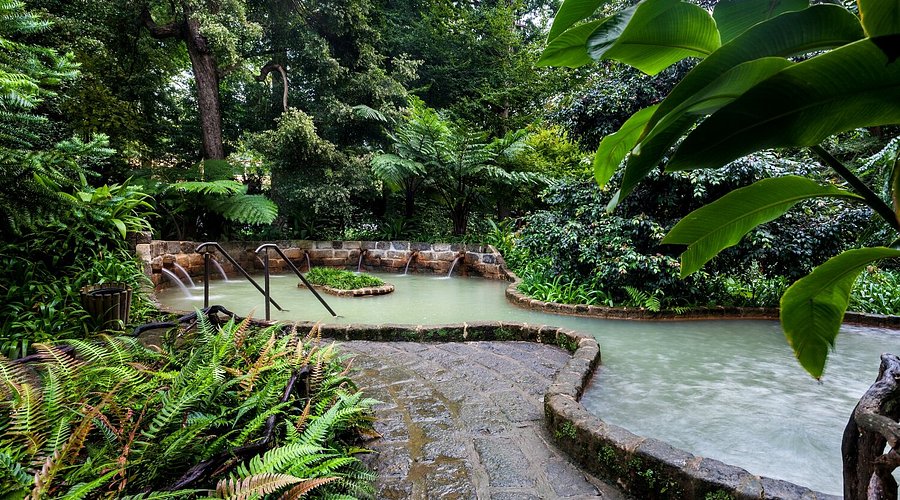
- Day 3: Furnas, fumaroles, gardens and thermal water.
- Day 4: whale watching or Lagoa do Fogo depending on the forecast.
- Day 5: Nordeste, Ribeira dos Caldeirões or a free city day.
With seven days, add another tour, a thermal night or a beach day. Keep one day flexible so you can move boat activities if the sea changes.
What to pack
A light waterproof jacket, comfortable shoes, a power bank, a small daypack and a reusable water bottle solve much of the trip. Bring an extra layer for boats and viewpoints. Without a car you depend more on timetables, so avoid luggage that is hard to move and leave room for food on a long excursion.
Frequently asked questions
Conclusion: travelling around the Azores without a car means choosing your base carefully and accepting a less ambitious pace, but it can be calmer and more rewarding. Prioritise Ponta Delgada, Angra or Horta, book tours that solve the logistics and leave time for walking without a timetable.
Image credits: Wikimedia Commons and the Visitarazores library. Transport, schedules, prices, tours and weather conditions can change; confirm them before setting out.