
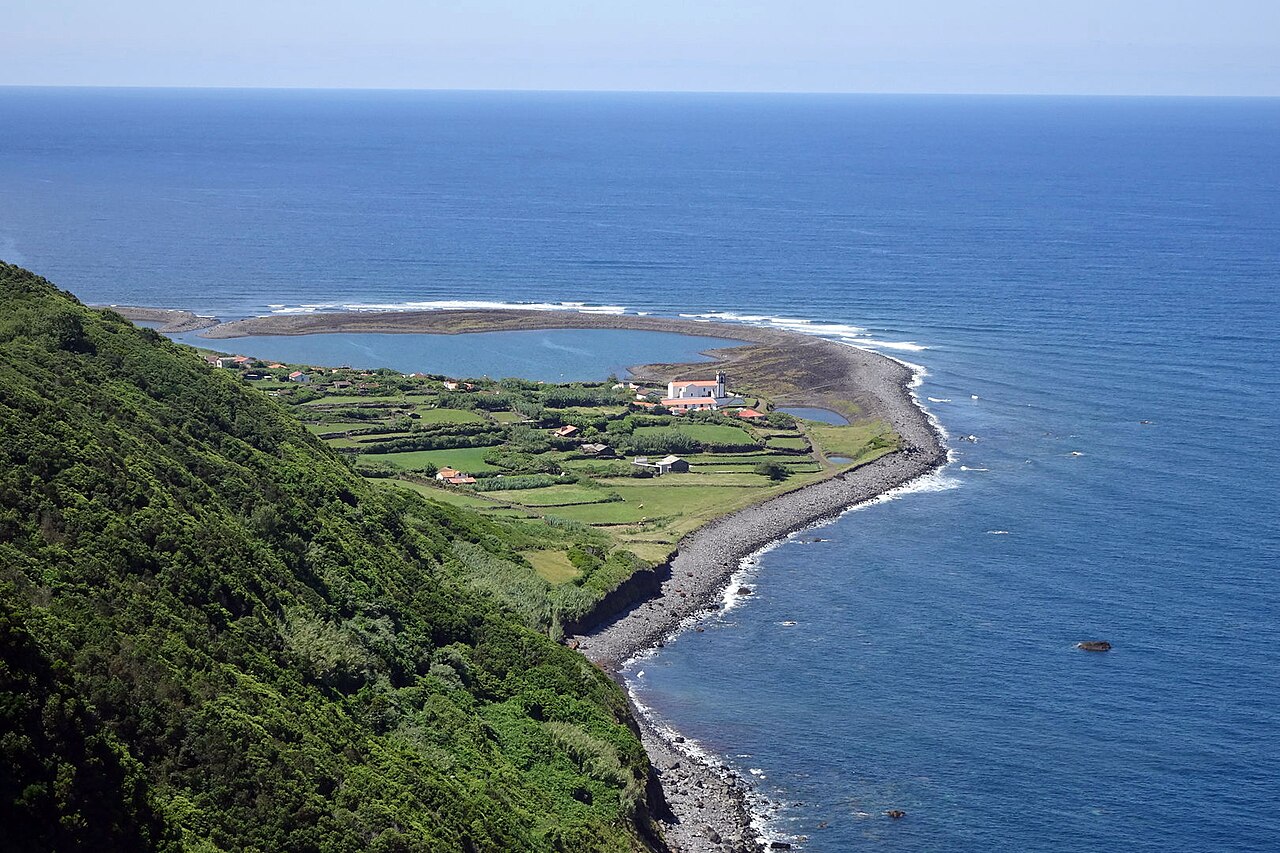
The fajas of Sao Jorge are one of the most distinctive geographical features in the Azores and probably one of the most unusual coastal landscapes in Europe. These flat strips of land sit at the foot of cliffs that can rise up to 700 meters above the ocean. If you plan to visit Sao Jorge, discovering its Fajas Sao Jorge landscapes is the number one reason to go.
What exactly is a faja in Sao Jorge?
A faja is a strip of relatively flat land at the base of a coastal cliff. Fajas are formed in two main ways: by massive rockfalls that create a platform when they collapse towards the sea, or by lava flows that spread horizontally from the cliff. For geological context, Wikipedia has a useful article about fajas.
Sao Jorge has more than 40 catalogued fajas, mostly along the north and south coasts. Their number and size are unmatched in the archipelago. What makes the Fajas Sao Jorge so memorable is their scale: cliffs of 400 to 700 meters topped with green pastures, with the fajas appearing as narrow strips between black rock and deep blue ocean.

Human history of the Sao Jorge fajas
For centuries, the people of Sao Jorge found that the fajas offered exceptional conditions: fertile soil, a milder microclimate than the high ridges and direct access to the sea for fishing. Cut off from the rest of the island by cliffs, these communities developed a largely self-sufficient way of life, growing vegetables and grapes and keeping livestock. Some fajas had dozens of families; others only three or four houses.
Today, many fajas are abandoned or semi-abandoned, but several have been recovered for ecotourism and rural stays, becoming unique places to sleep with ocean views and no easy road access. To choose between a town base with services and a rural house, compare where to stay on São Jorge and confirm access to the property before booking.
The most important fajas in Sao Jorge to visit
| Faja | Access | Known for |
|---|---|---|
| Faja da Caldeira de Santo Cristo | Walking paths from Cubres or Serra do Topo; plan your return | Coastal lagoon and locally harvested clams |
| Faja dos Cubres | By road; check local access conditions | Nature reserve, wetland and biodiversity |
| Faja do Ouvidor | By road / short walk | Natural pools and summer swimming |
- Faja da Caldeira de Santo Cristo: a coastal lagoon known for its clams, locally called amêijoas. It can be reached on foot from Cubres or along the PR1 SJO from Serra do Topo. Plan your return before setting off.
- Faja dos Cubres: a wetland and nature reserve with exceptional birdlife and flora. It connects with Santo Cristo through a spectacular coastal trail.
- Faja do Ouvidor: volcanic natural pools, accessible for swimming in summer. One of the easiest fajas to include in a road trip.

How to reach the fajas of Sao Jorge
Access depends on the fajã. Cubres and Ouvidor have road access, subject to local conditions. Santo Cristo is reached by walking paths from Cubres or Serra do Topo. The PR1 SJO links Serra do Topo, Santo Cristo and Cubres: start and finish are different places, so arrange pickup if you leave a car at the start. Check current notices on the official Azores trail portal. Our São Jorge hiking guide explains the options.
Once you reach a faja, the feeling of isolation and beauty is intense: the sound of the sea, the smell of Atlantic vegetation and the huge cliffs above your head. There is no comparable experience in the Azores.
Best time to visit the Sao Jorge fajas
The best day is not just the sunniest one: you also need a workable return and, on a multi-island trip, a ferry schedule with margin. Check inter-island transport before committing to accommodation, and use the best-time guide to compare rain, visibility and seasonal services.
Choose your visit according to the forecast and local access notices, not the month alone. Heavy rain, fog and slippery ground can change a walking plan at any time of year. Do not assume there is a scheduled boat service to the fajã: confirm any specific trip directly with its operator before relying on it.
Practical tips for visiting the fajas of Sao Jorge
- Start early: popular trails become busier in summer. Leaving before 8 a.m. gives you a much quieter experience.
- Bring water and food: most fajas have no shops or restaurants. Santo Cristo may have a small seasonal bar, but do not rely on it.
- Wear hiking boots: the terrain is volcanic, wet and slippery.
- Check the weather: fog can cover the descent without warning. Always carry a waterproof layer.
- Respect wildlife and plants: many fajas are protected areas. Do not pick plants, disturb animals or make fires.
FAQ about the fajas of Sao Jorge
Can you sleep in the fajas?
Yes. Faja da Caldeira de Santo Cristo has rural houses where you can stay. Sleeping in a faja is an extraordinary experience: little light, limited mobile coverage and the sound of the ocean.
How long does it take to reach Faja da Caldeira de Santo Cristo?
It depends on where you start and whether you retrace your steps. The full PR1 SJO runs from Serra do Topo through Santo Cristo to Cubres, not back to its starting point. Check its current route details and arrange your return transport; do not confuse this with an out-and-back walk from Cubres.
Can you visit the fajas without hiking?
Yes: Cubres and Ouvidor have road access, subject to local conditions. This is not the same as reaching Santo Cristo, whose usual visitor approaches are walking paths. Choose the fajã before arranging transport.
Combine the fajas with a tasting of the famous Sao Jorge cheese and with whale watching from Pico, just a short ferry ride away.
For viewpoints, trailheads and fajas reached by road, booking early helps you find better prices and flexible cancellation.
Related guides for your next step

Visit Sao Jorge Azores
Visit Sao Jorge Azores: fajãs, cliffs, Velas, cheese, viewpoints, hiking ideas and practical tips for planning the island. Visit Sao Jorge Azores if you…
Explore the island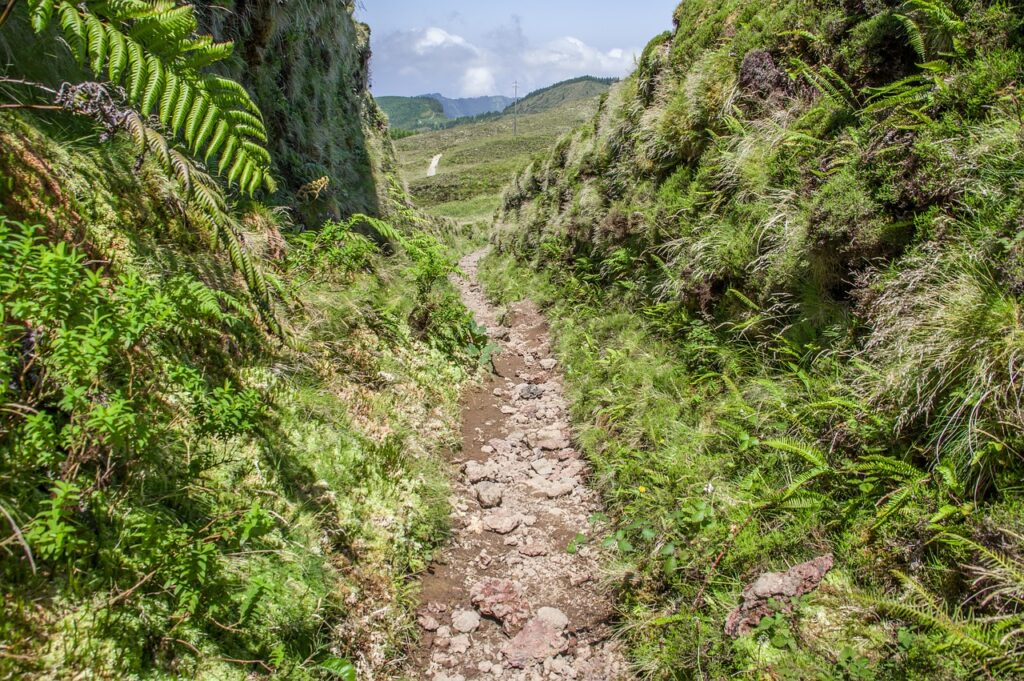
Hiking in São Jorge, Azores: Fajãs, Cliffs and Mountain Trails
Hiking in São Jorge is one of the most powerful experiences in the Azores. The island is long, narrow and dramatic, with high ridges,…
Plan a hiking route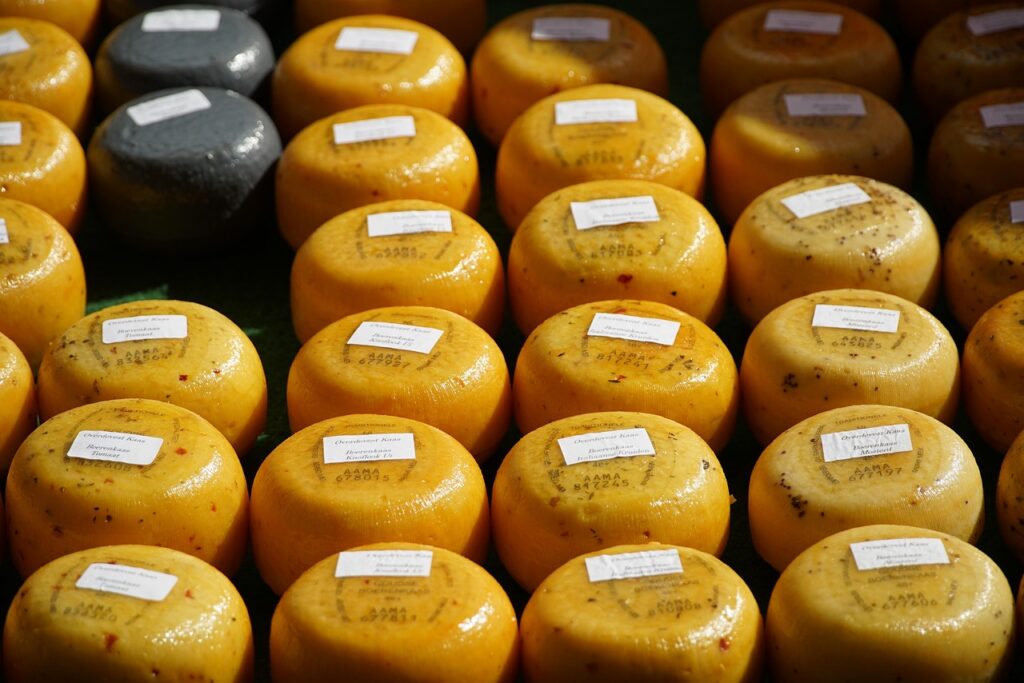
São Jorge Cheese (Azores): History, Where to Buy It and How to Recognise the Real Thing
São Jorge cheese has more than 500 years of history and a Protected Designation of Origin. This guide explains what makes it unique, how…
Discover local food
How to Travel Between the Azores Islands
If you are wondering how to travel between Azores islands, the answer depends on flights, ferries and realistic transfer margins. This guide explains when…
Plan your transportMore experiences for your time on São Jorge
Make room for an experience you really want to have. Compare the duration and meeting point, then check transport, admission and the conditions of your chosen option before booking.
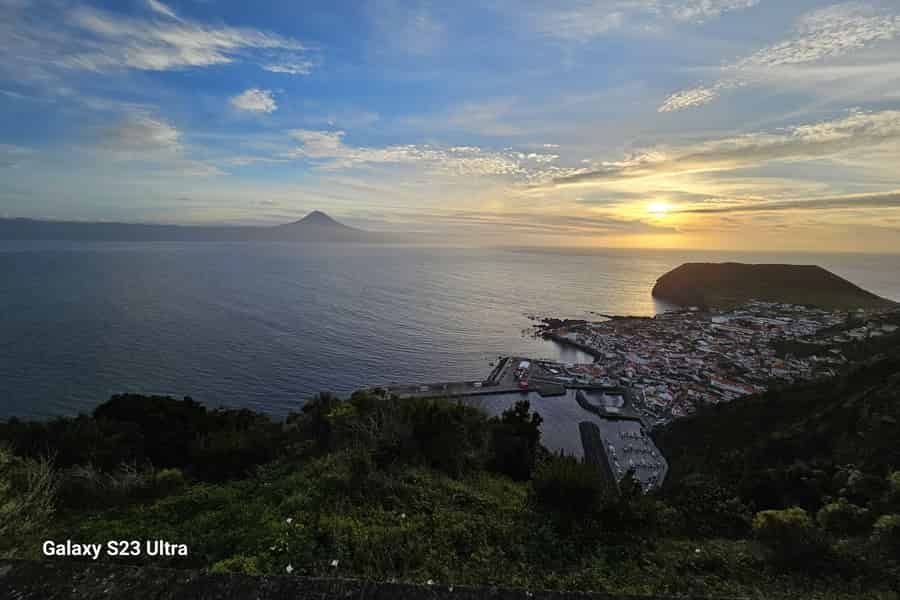
All Azores travel guides
Looking for an island, accommodation, routes or car rental advice? Browse our guides by island and topic, or search for exactly what you need.
Sources and credits
Photo credits: Vitor Oliveira and Jules Verne Times Two (Wikimedia Commons, CC BY-SA 4.0); José Luís Ávila Silveira and P. Noronha e Costa (public domain).
Editorial review: this guide was reviewed in July 2026 using practical travel information for visiting the fajas of Sao Jorge. Access, boats, trails and weather conditions may change; always confirm locally before setting out.