

Ponta da Ferraria is where a volcanic spring meets the Atlantic between walls of black lava. When tide and swell cooperate, feeling warm water in the open ocean is one of Sao Miguel’s strangest experiences. When the sea refuses, there is no shortcut: the coast is still worth seeing, but the swim must wait.
Access, tide times and admission
The natural ocean hot spring is free and has no ticket office or commercial opening hours. A safe visit depends on low tide, calm swell and open access.
Details checked on 14 August 2026. Opening hours, prices, capacity, closures and conditions can change at the venue or authorities’ discretion. Visitarazores does not operate these facilities or sell their tickets: check the official information and live availability before travelling.
This Ponta da Ferraria tide times guide focuses on the decisions travellers need to make before booking or setting out.
Ferraria is unlike the island’s managed thermal pools. Hot geothermal water enters a small volcanic cove and mixes with the Atlantic, which means the bathing experience changes every hour. The place can be extraordinary under calm conditions and completely unsuitable when waves are strong.
A tide table is therefore only the first filter. Travellers must also consider swell, wind, warning signs and their confidence in open water. The best plan accepts that the west-coast landscape remains worth visiting even when bathing is not possible.
Ponta da Ferraria tide times: quick answer
Visit Ponta da Ferraria around a suitable low-to-rising or mid-tide window, but enter only when the sea is calm and the access is officially safe. Very high tide dilutes the thermal water; very low tide can expose hotter areas and slippery rock.
- Best for: confident swimmers, unusual volcanic scenery and a flexible west-island route.
- Not guaranteed: a favourable tide does not cancel rough swell, wind or local restrictions.
- Bring: secure water shoes, a towel, dry clothing and a land-based alternative.
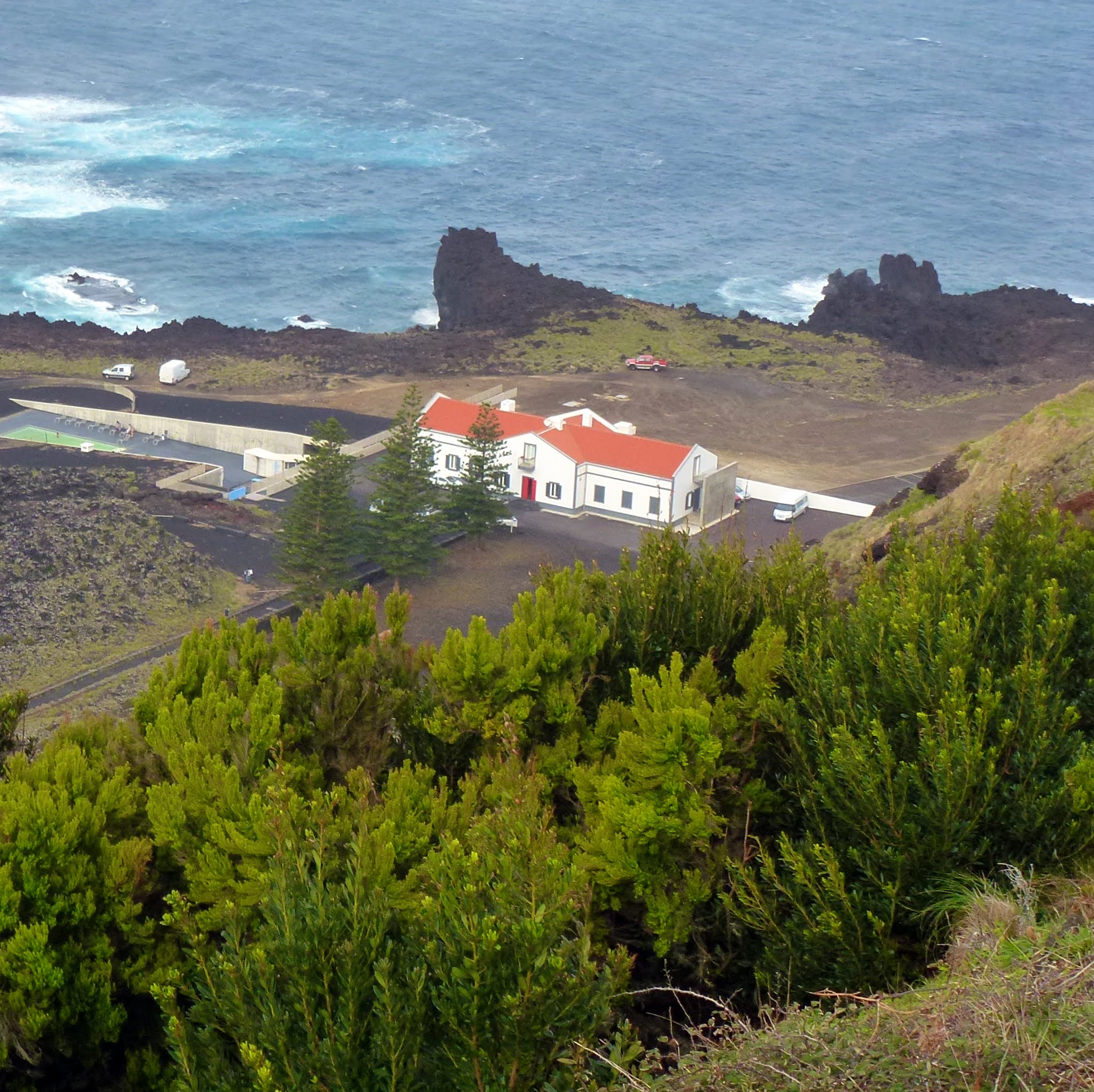
Where is Ponta da Ferraria?
Ponta da Ferraria lies on the western coast of Sao Miguel, below a steep road through a raw lava landscape. The final approach is visually dramatic, but drivers should descend slowly and leave time for parking, walking and checking the water from land.
Its position pairs naturally with Mosteiros, Sete Cidades and western viewpoints. It does not pair efficiently with a timed Furnas attraction on the same day unless you are prepared for a long cross-island drive.
Why the hot spring depends on the tide
Geothermal water emerges inside the volcanic cove and mixes with seawater. At higher tide, a greater volume of Atlantic water cools the pool. Around lower water, the geothermal influence becomes more noticeable, although the exact sensation varies across the cove.
The warmest theoretical time is not automatically the safest or most comfortable. Extremely low water can expose slippery rock and concentrated heat, while waves can push bathers against the sides. Use the tide as a window, then judge the sea.
How to read Ponta da Ferraria tide times
Use a reliable local tide forecast for the date of your visit and identify low tide. Plan to arrive early enough to observe conditions rather than stepping into the water at a precise minute. Tide predictions describe water level, not wave energy.
Check wind and swell separately and look for official warnings or closed access. If people are leaving the water because conditions are rough, an attractive timetable does not make entry sensible.
How to decide whether to enter
Watch the cove for several minutes. Note how waves enter, whether the holding ropes and access points are usable, and whether swimmers appear in control. If you are uncertain, remain on land. The coastline is exposed and rescue conditions are not comparable to a supervised swimming pool.
Never enter because a long drive creates pressure to “make it worth it.” Ferraria is still a geological viewpoint, and the surrounding route offers enough alternatives to keep the day successful.
Water temperature and comfort
Temperature can change sharply within a short distance. One area may feel warm while another receives cold Atlantic water. Move slowly, keep hold of the support ropes when provided and avoid the hottest outlet area.
Leave the water before fatigue or cold affects your ability to exit over wet rock. Open-water bathing requires more energy than sitting in an organised thermal pool.
Natural pool versus Termas da Ferraria
The natural cove is an outdoor ocean feature whose conditions depend on nature. Termas da Ferraria is a managed facility offering a more controlled thermal experience when operating. Opening status, services and reservations should be checked directly.
Do not assume that one being accessible means the other is open. Decide whether you want wild ocean bathing or a formal spa service, then verify that specific option.

Footwear, access and safety
Wear water shoes with secure grip. Flip-flops can twist or detach on uneven lava. Carry only what you can protect from spray and leave both hands free for the final approach and exit.
Children and weak swimmers should not enter rough conditions. Follow signs, barriers and local instructions. The sea has priority over every itinerary and photograph.
A west Sao Miguel route
Combine Ferraria with Mosteiros, the western Sete Cidades viewpoints and a coastal meal. Check the sea early, then order the route around the tide window while keeping the weather at mountain viewpoints flexible.
If Ferraria is unsuitable, spend longer at Mosteiros, visit a viewpoint or continue through small western villages. A good route does not collapse because one swim is cancelled.
Photography without unnecessary risk
The safest viewpoints are often on land, where the black lava, white surf and spa buildings create a clear sense of place. Keep away from wet edges and do not turn your back on the sea for a photograph.
Protect cameras from spray and avoid blocking narrow access. Images should document the coastline, not encourage behaviour that ignores changing ocean conditions.
What to check before driving
Review low tide, swell, wind, official access and daylight. Pack water shoes and dry clothes. Confirm that the road and parking area are accessible, particularly after severe weather.
Then select a second west-coast objective. This simple checklist turns Ferraria from a gamble into a flexible stop with a clear safety decision.
Before you leave: six quick checks
- Check low tide, swell and wind together on the morning of your visit.
- Do not enter when waves hit the cove, even if other swimmers remain inside.
- Wear secure water shoes on wet volcanic rock.
- Visit in daylight and confirm that the road and access are open.
- Leave before cold or fatigue makes the ocean exit difficult.
- Keep a Mosteiros or Sete Cidades alternative for unsafe sea conditions.
Frequently asked questions
Does Ponta da Ferraria depend on the tide?
Yes. The geothermal water mixes with the Atlantic, so tide level changes the temperature and character of the cove.
Is it always safe to swim at Ferraria?
No. Swell, wind, waves and local restrictions can make entry unsafe even at a favourable tide.
What is the best time to visit?
Use low tide as a planning reference, arrive with time to observe the sea and confirm swell and access on the day.
Is the Ferraria spa open?
Spa operations can change. Check the official facility directly rather than assuming that access to the natural cove confirms spa services.
What shoes should I wear?
Secure water shoes with grip are recommended for wet, uneven volcanic rock.
How long should I allow?
Allow at least one to two hours for the descent, observation, possible bathing, changing and the return drive.
Can the water be too hot?
Areas near the geothermal outlet can feel very hot at low water. Move gradually and avoid concentrated outflow.
Can children swim there?
Only consider entry in very calm, suitable conditions with close supervision. Rough open water is inappropriate for children.
What if swimming is not possible?
Enjoy the volcanic viewpoint and continue to Mosteiros, Sete Cidades or other west-coast stops.
Explore the other six Azores hot spring guides
Image credits and sources
Photographs from Wikimedia Commons and the Visitarazores media library. Visitor guidance checked against Azores tourism information and current sea-safety principles.
Editorial information reviewed in August 2026. Opening hours, prices, capacity, reservations, closures and sea conditions may change. Always confirm the official information before travelling.